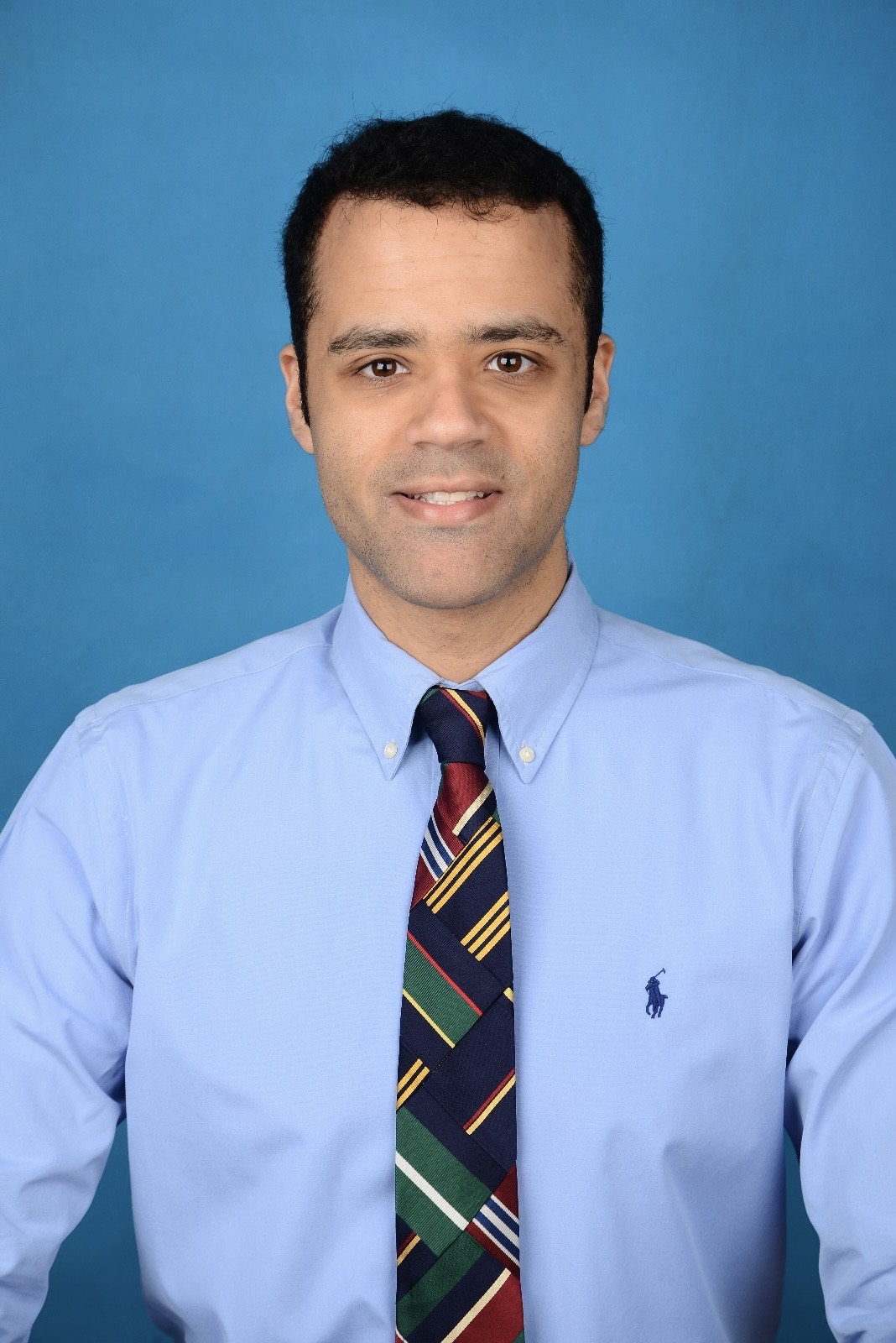
Dr Ebrahim Alduaij recently completed an International Clinical Fellowship in Geriatric Medicine at Guy’s and St Thomas’ NHS Foundation Trust.
When I left Kuwait to begin my International Clinical Fellowship in Geriatric Medicine at Guy’s and St Thomas’ NHS Foundation Trust, I hoped to expand my knowledge of healthy ageing and improve the care I provide to older adults. As a Family Medicine Specialist, I already cared for many older patients every day, so I expected to learn new clinical skills. What I did not expect was that this fellowship would completely change the way I think about caring for older people.
One of the things that surprised me most was the breadth of geriatric medicine. No two days were the same. One day I would be on consultant-led ward rounds discussing frailty and complex decision-making, and the next I would be attending clinics in Falls, Memory, Perioperative Medicine for Older People (POPS), Geriatric Oncology (GOLD), or Cardiology for Older Persons (COPS). Every clinic offered something different, but they all shared one common philosophy: to focus on the person, not just the disease.
The experience that changed me the most, however, happened outside the hospital.
Home visits were already part of my work back home in family medicine, so I initially thought they would be the most familiar part of the fellowship. Instead, they became one of the most valuable learning experiences of the entire year.
Previously, I viewed home visits as an opportunity to assess a patient’s medical condition in their own environment. During the fellowship, I realised that the home itself is part of the assessment. Watching an older person move around their own living space, noticing the trip hazards that explained their recurrent falls, seeing how medications were stored and managed, understanding the support available from family or carers, and recognising the effects of loneliness or social isolation all helped me understand the patient in a way that no clinic consultation ever could.
It was during those visits that Comprehensive Geriatric Assessment truly came to life for me. I realised that many of the challenges older people face cannot be fully appreciated within the walls of a hospital or clinic. Sometimes the answers are found in the environment in which they live, the people around them, or the small daily obstacles that gradually reduce independence. That lesson is one I will carry with me throughout my career.
Another aspect of the fellowship that left a lasting impression was the multidisciplinary team. I had worked alongside different healthcare professionals before, but seeing doctors, nurses, physiotherapists, occupational therapists, pharmacists, dietitians, social workers, and many others working so closely together was inspiring. Every discussion brought a unique perspective, and every contribution mattered. It reinforced the fact that one individual never delivers excellent geriatric care. It is the result of a team working towards the same goal.
Of course, a fellowship is only as good as the people who make it possible. I was incredibly fortunate to be mentored by Dr Tania Kalsi and Dr Magda Sbai, whose commitment extended far beyond leading the programme. They were always approachable, supportive, and genuinely invested in my development. They encouraged me to ask questions, challenged me to think differently, and created an environment where learning happened every day. Their mentorship has had a lasting impact on both my professional and personal development, and I will always be grateful for the time and encouragement they gave me.
I am equally thankful to the consultants, fellows, resident doctors, nurses, therapists, pharmacists, administrators and every member of the multidisciplinary team at Guy’s and St Thomas’. From my first day, I felt welcomed and included. Their willingness to teach, share their experience, and involve me in patient care made this fellowship an unforgettable experience.
As I return to Kuwait, I do so with much more than new clinical knowledge. I return with a different perspective on ageing, a deeper appreciation of person-centred care, and a stronger belief in the value of multidisciplinary working. My goal is to apply these lessons within primary care, contribute to the development of geriatric services, and share what I have learned with colleagues so that more older people can benefit from this approach to care.
I would also like to thank the British Geriatrics Society for fostering a community that promotes education, collaboration and excellence in the care of older people. Throughout the fellowship, BGS meetings and educational events introduced me to inspiring colleagues and reminded me that improving the lives of older adults is a shared mission across countries and healthcare systems.
If you are considering an International Clinical Fellowship, my advice is simple: be curious, ask questions, learn from every member of the multidisciplinary team, and embrace every opportunity. You may arrive expecting to gain knowledge, but you will leave with something far more valuable. A new perspective on what it truly means to help people age well.
Did you know? You don’t have to be based in the UK to become a BGS member. Overseas individual members enjoy full access to all membership benefits, paying 50% less than UK members. Join the BGS today.