The European Academy for Medicine of Ageing (EAMA) is a two-year advanced postgraduate course in geriatric medicine. It is designed to inspire future leaders in academic geriatrics and develop the provision of older people’s healthcare across Europe.
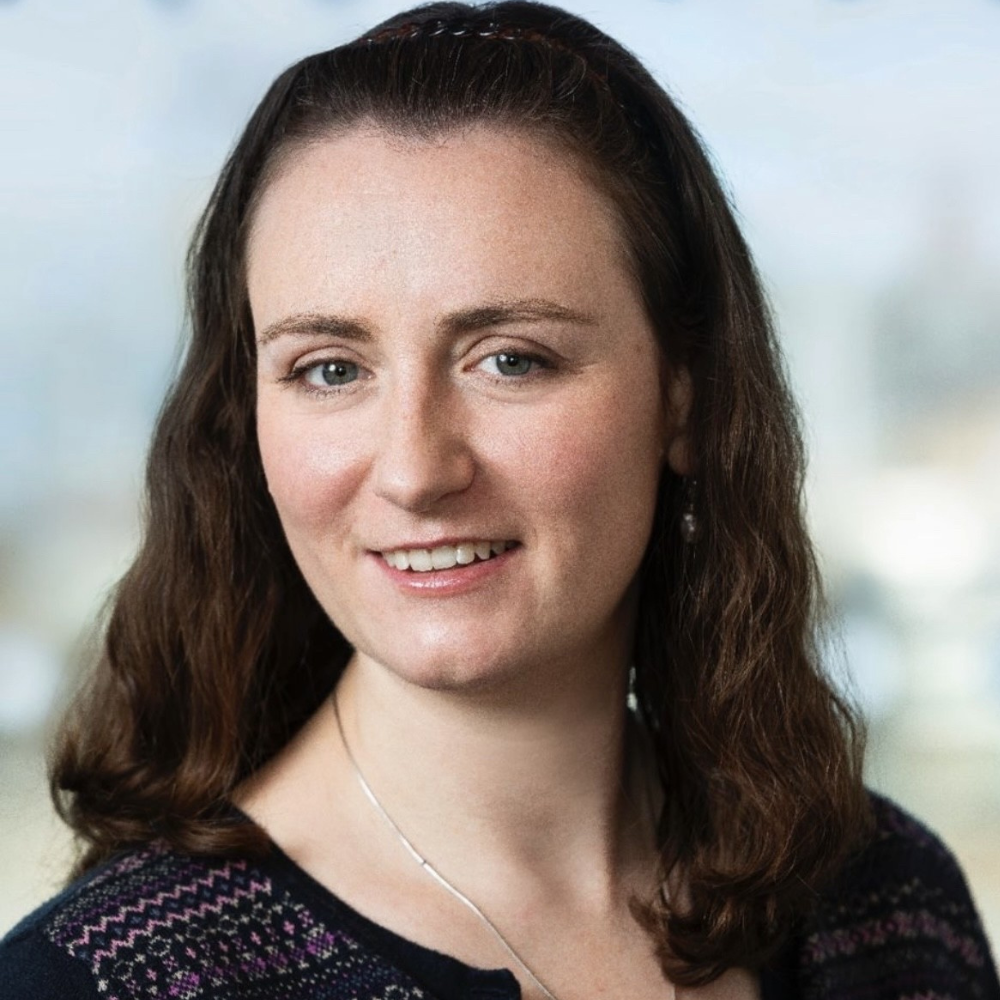
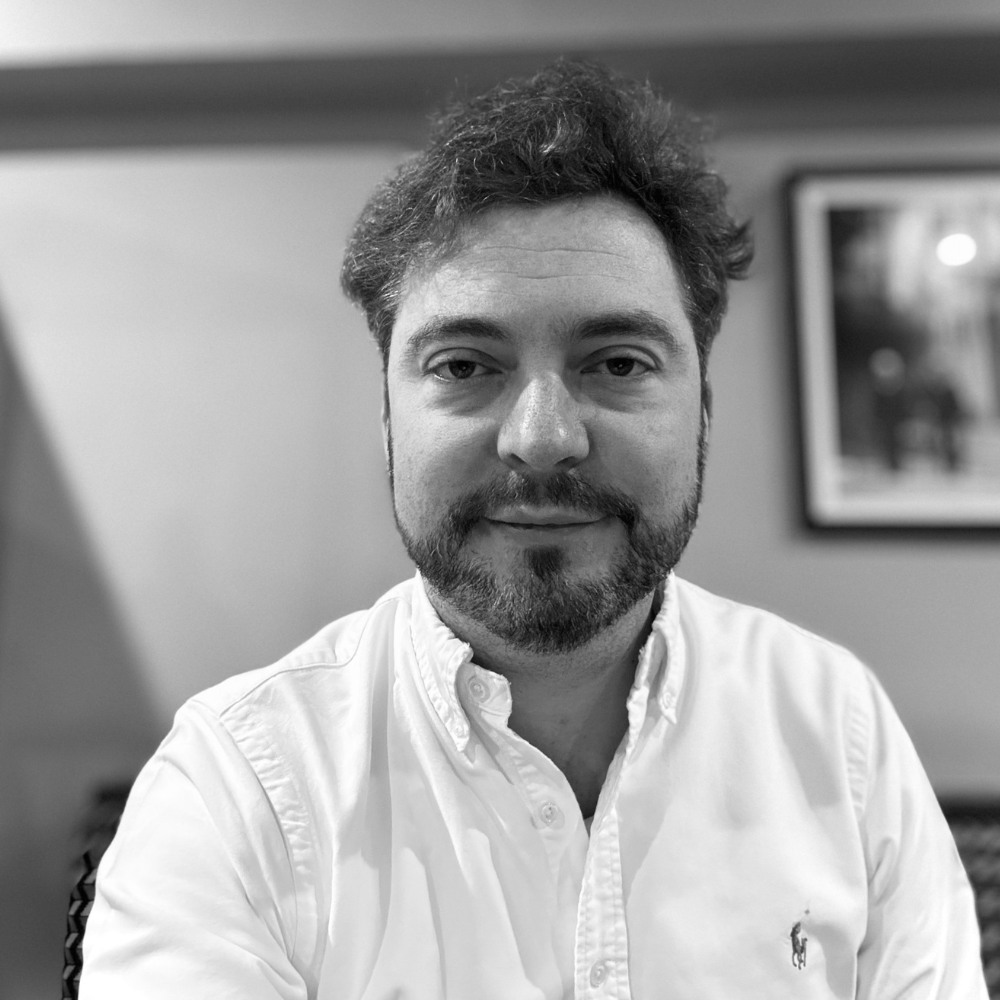
We are delighted to offer eligible BGS members the opportunity to apply for EAMA funding. This year’s winners are Dr Mark Rawle, Dr Katherine Walesby, and Dr Marc Österdahl.
They will join the new course in January 2026 and will keep us updated on their experience by writing a report which will be published in our magazine, AGENDA, and on our blog page.
Congratulations, Mark, Katherine, and Marc!
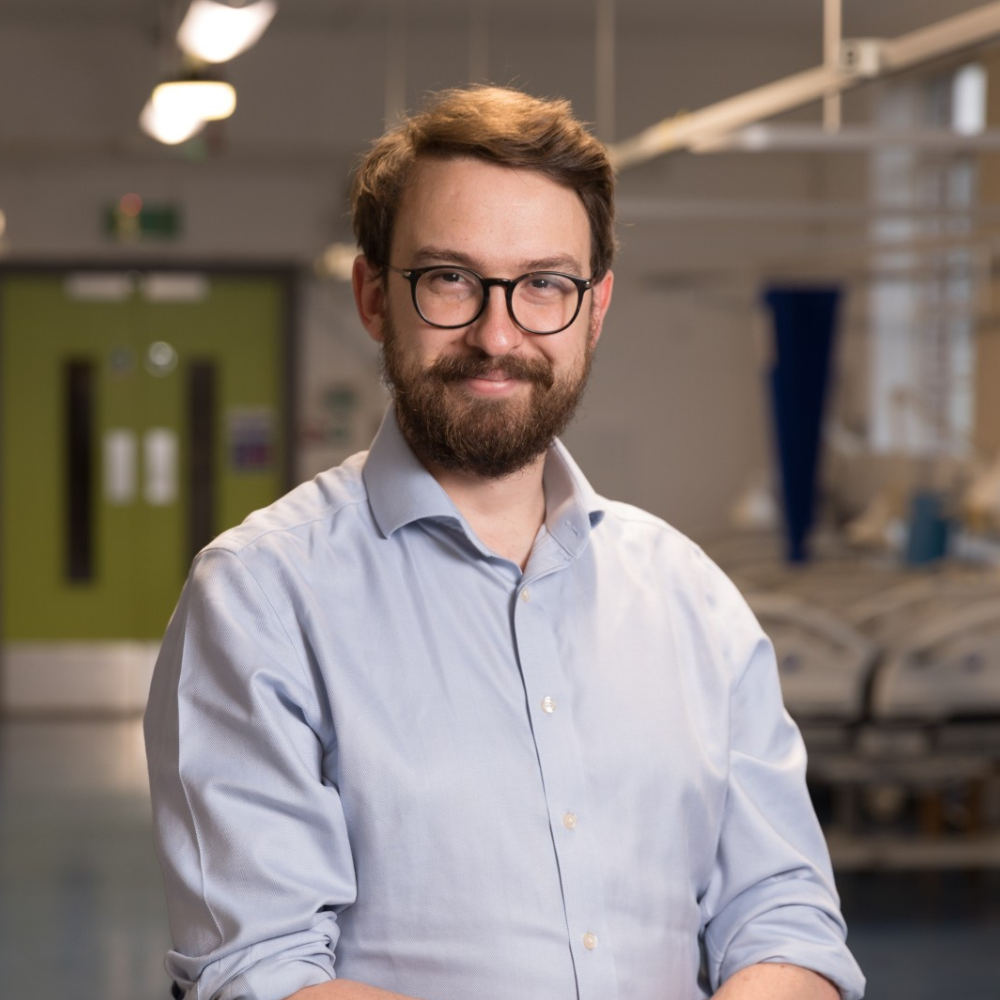
Mark told us:
I’m thrilled to be awarded the chance to attend EAMA, especially after hearing from prior attendees about their positive experiences.
I work in North East London, splitting time between work in acute frailty and my academic ventures. While helping build on our existing Hospital at Home service, I’m finishing up my PhD using electronic health databases to explore frailty-stratified associations between anticholinergic medications, delirium and dementia. I’ve recently been lucky enough to be involved in the establishment of a new centre for ageing research, the Academic Centre for Healthy Ageing (ACHA), where I’ve seen firsthand the opportunities international collaboration can provide. The chance to learn new skills relevant to all these projects from EAMA experts and participants across Europe seems almost too good to be true.
I’m hugely grateful to the BGS for the opportunity, and I look forward to sharing my experience and learning with the wider membership. Perhaps I’ll even get to meet like-minded people who get excited by PowerPoint slides on statistical methods!”
Katherine told us:
I am delighted to be given the opportunity to attend EAMA with this BGS grant. I’ve heard about such positive experiences from other EAMA attendees over the years and am excited to be learning through this important network.
Participating in the EAMA programme will allow me to connect with clinicians in geriatric medicine across Europe. I’m looking forward to sharing ideas and learning about the similarities and differences in the needs of our respective ageing populations.
I am currently an ST7 in Geriatric Medicine in Edinburgh. I qualified from Newcastle University in 2007 and trained in Newcastle, Edinburgh, and Fife before starting my geriatric medicine registrar training in Tayside, Scotland.
My training pathway has been a long one, with time out of training for my PhD, maternity leaves, less-than-full-time training, and with additional challenges as a mum and a carer to a child with complex needs and a rare disease. Whilst this has lengthened my time as a registrar, it has also deepened my experience and broadened my perspective.
I recently graduated from the University of Edinburgh with my PhD thesis, ‘Dementia and location: Lessons from geography and data linkage to routinely collected data.’ My PhD explored ascertaining dementia in New Zealand and Scotland using routinely collected data with a focus on the importance of using country-specific data to inform national dementia estimates, and how dementia can vary between rural and urban areas.
My PhD work has informed my broader research interest in leveraging data to address inequalities in ageing, and better utilising routinely collected data for country-specific dementia data, which in turn can help inform health policy and service delivery. My long-term goal is to help shape systems that use routine data intelligently and inclusively to drive evidence-based policy that improves care for older people.
I am also passionate about supporting the next generation of geriatricians, especially women, in balancing complex roles.
I am particularly excited to engage with international peers across Europe and bring back learning to share through the BGS, to which I’m incredibly grateful for supporting this chance to join EAMA.”
Marc told us:
I am very excited to attend EAMA for the 2026-27 course, having seen the fantastic teaching and insight that it has offered colleagues in previous years. We are very privileged in the UK that Geriatric Medicine is an established specialty, but there is still much we can learn from colleagues around Europe, both in research and clinical practice.
I am currently completing my PhD, looking at the relationship between menopausal hormone replacement therapy, ageing, and frailty later in life. I have been fortunate to work on this both with researchers from the UK at King's College London and TwinsUK, as well as the Danish Twin Registry at the University of Southern Denmark. As I move beyond my PhD into a dual academic-clinical career, I am keen to continue such collaborations in my future work. EAMA is the ideal chance to understand the opportunities and challenges available for both.
You can follow my journey with my colleagues via LinkedIn (Marc Österdahl).”