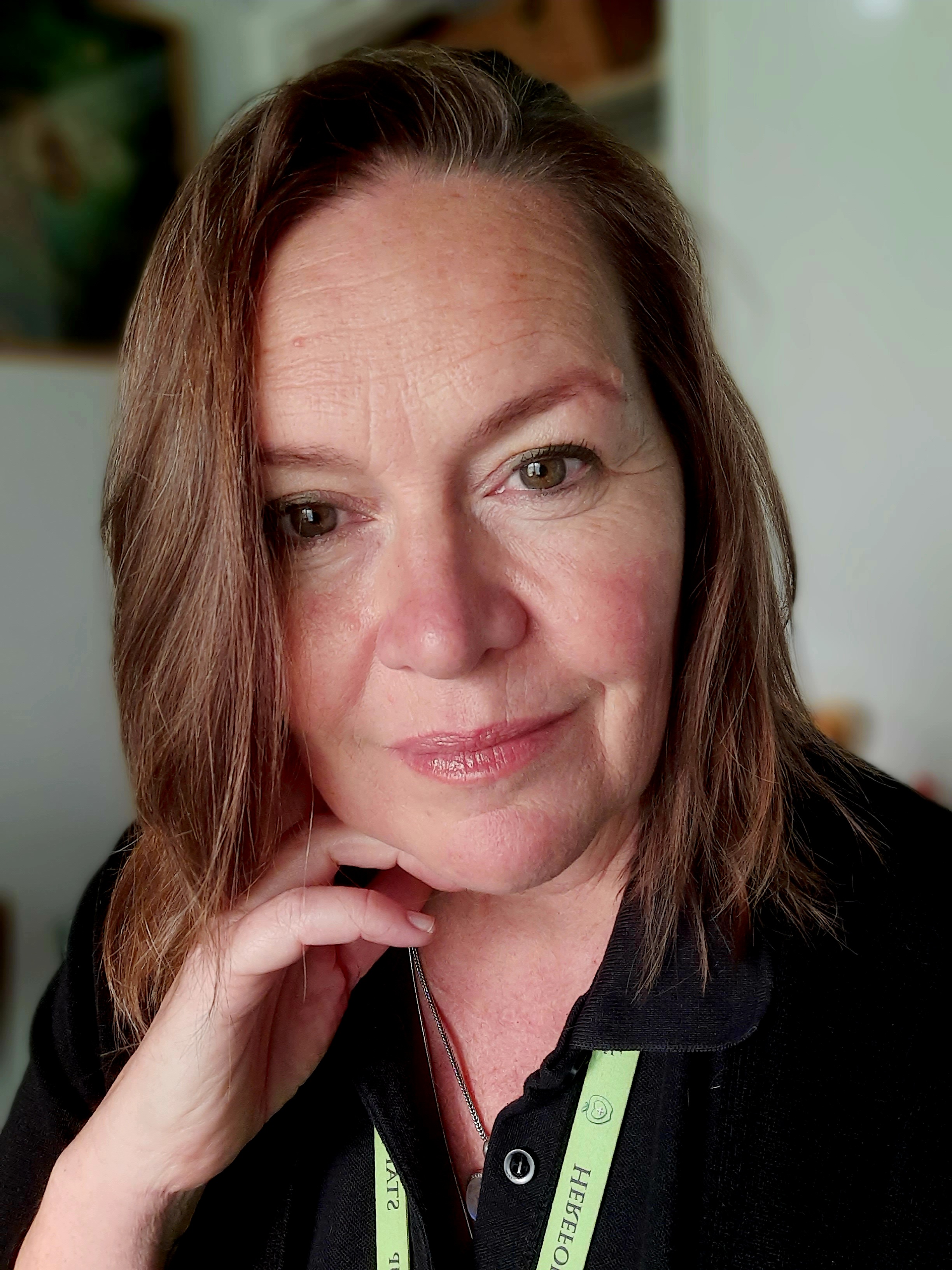
Lisa Henderson is a Frailty Lead and Advanced Paramedic Practitioner at Hereford Medical Group.
My career began in frontline ambulance services, working as a paramedic responding to urgent and emergency calls. Over time, I noticed a consistent pattern: many of the patients I attended were older adults living with frailty, complex health needs, and social challenges that were not always best served by hospital admission. That realisation became a turning point in my career.
As paramedics, we are often invited into people’s homes at moments of crisis or vulnerability. We see far more than a presenting symptom, we see how someone is coping day to day, the support around them, their mobility, home environment, and subtle signs of functional decline that may otherwise go unnoticed. Those experiences gave me a strong appreciation of the importance of holistic assessment and proactive frailty care.
I moved into primary care as an Advanced Paramedic Practitioner, specialising in frailty. My current role as a PCN Frailty Lead AP focuses on assessing and supporting patients identified as being at risk of deterioration, preventing avoidable admissions, and supporting people to remain safely in their own homes.
I chose geriatrics because it is one of the most complex, rewarding, and human areas of healthcare. Frailty is not simply about age: it reflects a person’s overall vulnerability, resilience, and lived experience. Each patient presents with a unique combination of medical, functional, psychological, and social needs, demanding strong clinical reasoning, adaptability, and compassion.
What I value most about working in geriatrics is the opportunity to make meaningful, patient centred decisions. Sometimes that means managing acute illness in the community and avoiding hospital admission, other times it involves advance care planning, supporting families, coordinating care across services, and providing compassionate frailty-based end of life care. The work is rarely straightforward, but it is consistently impactful.
Paramedics bring a unique perspective to geriatrics. We are trained to assess risk, manage uncertainty, and make autonomous decisions in unpredictable situations. These skills translate naturally into frailty care, where understanding the bigger picture is often just as important as treating the immediate problem.
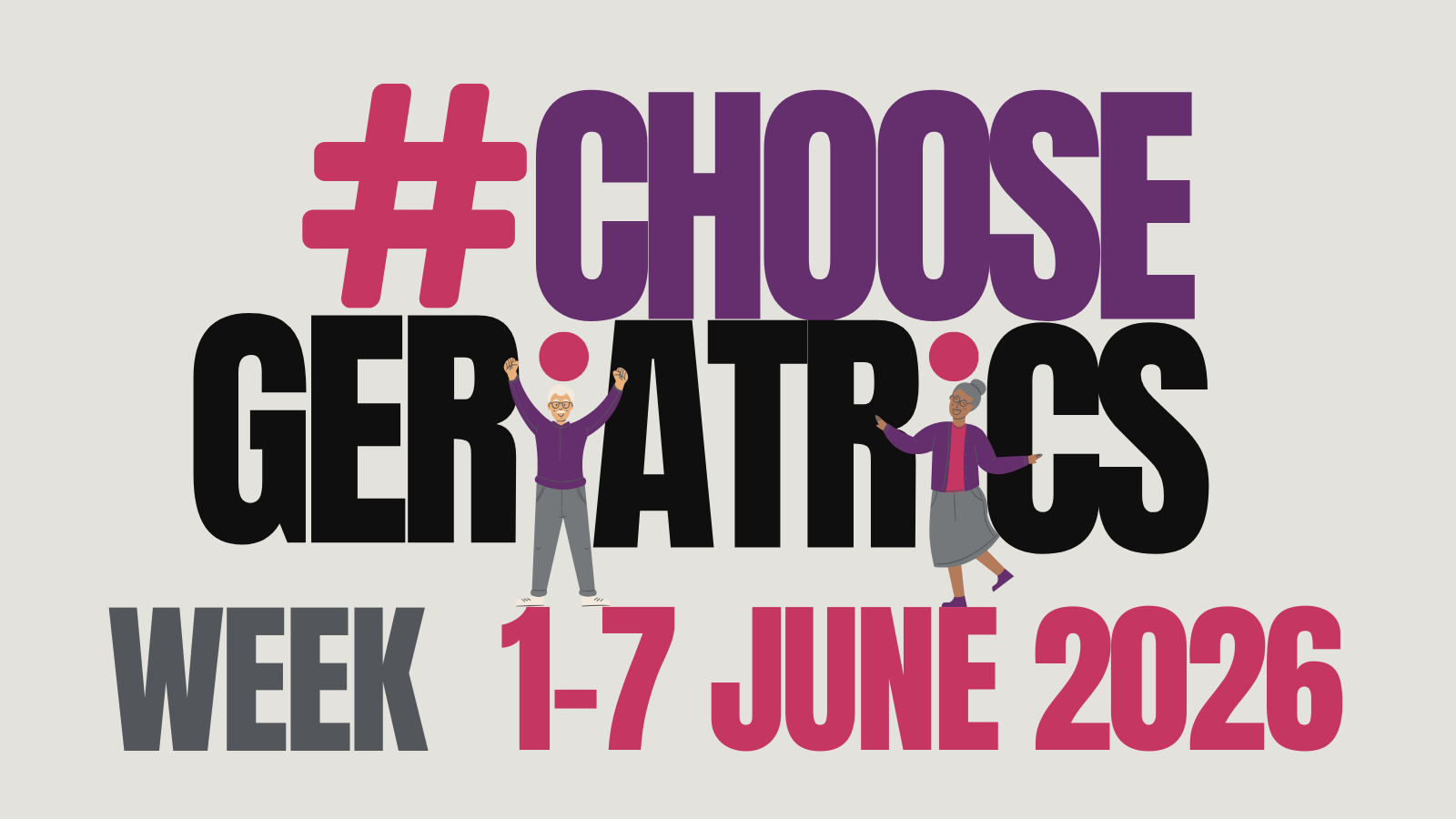
For anyone considering their career path, I would strongly encourage you to #ChooseGeriatrics. It offers variety, challenge, and the opportunity to develop advanced clinical and communication skills. You work closely within multidisciplinary teams, think holistically, and build continuity with patients over time.
Geriatrics is also a field full of opportunity. As healthcare evolves, there is growing recognition that traditional models do not always meet the needs of older adults living with frailty. This creates opportunities for professionals from diverse backgrounds, including paramedics, to take on expanded and influential roles.
The British Geriatrics Society plays a key role in supporting this work through education, collaboration, and advocacy. Campaigns such as #ChooseGeriatrics help highlight the breadth of careers available and encourage more clinicians to consider this vital specialty.
Choosing geriatrics has shaped my career in ways I did not anticipate. It has challenged and developed me and continues to reinforce why I came into healthcare: to deliver care that is thoughtful, compassionate, and centred on what matters most to each individual.
If you are looking for a career that is both clinically stimulating and deeply human, geriatrics is a path well worth exploring.