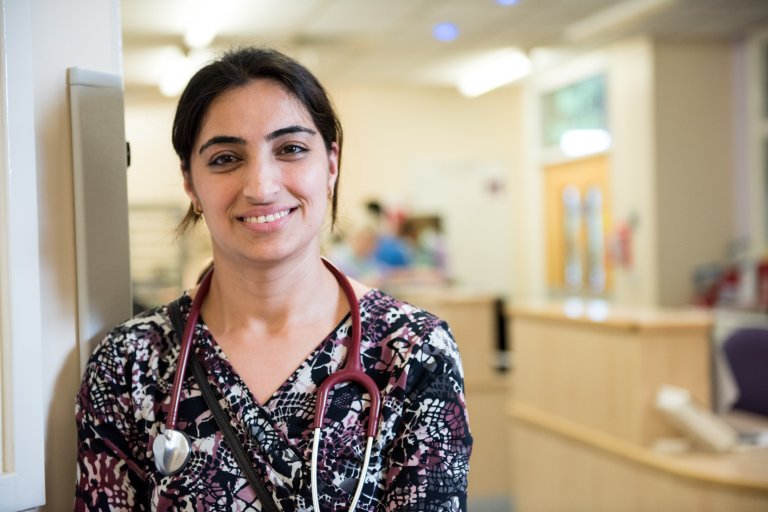
Shubhank Singh is a specialist grade doctor working with Somerset NHS Foundation Trust in General Medicine, Geriatrics and Palliative Care Medicine.
Working in a community hospital, I’ve come to appreciate the quiet wisdom and resilience of older people. Their stories, often tucked between medication charts and admission notes, speak of lives lived fully. In general medicine, these stories can be drowned out by protocols, investigations, and the relentless pursuit of clinical targets. It wasn’t until I stepped into the world of geriatric medicine that I truly understood the power of a compassionate, personalised approach.
From general medicine to geriatrics: A shift in perspective
General medicine, by design, is reactive. It thrives on acute presentations, rapid diagnostics, and disease-specific management. Frailty doesn’t fit neatly into this model. I recall Mrs. D, an 87-year-old with diabetes, osteoarthritis, and early dementia. She was admitted three times in two months, each time for a urinary tract infection, each time discharged with a slightly longer list of medications. Her care was technically correct, but something was missing.
In geriatric medicine, we ask different questions. Not just “What’s the diagnosis?” but “What matters most to this person?” When Mrs. D was admitted under our geriatrics team, we focused on her repeated infections, yes, but also on her continence, hydration, mobility, and cognition. We deprescribed unnecessary medications, introduced a continence plan, and involved her daughter in a shared decision-making conversation. She hasn’t been readmitted since.
The power of personalised, compassionate care
Compassion isn’t just kindness, it’s clinical wisdom. It allows us to see beyond the presenting complaint and into the person. In older patients with frailty, this means:
- Polypharmacy reviews that prioritise quality of life over guideline-driven targets.
- Antibiotic stewardship that avoids unnecessary prescriptions and considers the impact on gut flora, cognition, and skin integrity.
- Dementia care that respects autonomy, routine, and the therapeutic value of familiarity.
- Chronic skin issues managed not just with emollients, but with attention to nutrition, hygiene, and dignity.
- Psychiatric needs addressed with sensitivity, avoiding over-medication and promoting social engagement.
- Analgesia tailored to pain type, cognition, and risk of sedation or falls.
- Deprescribing as a proactive, empowering act - one that reduces pill burden and restores clarity.
- Falls prevention and bone health integrated into daily routines, not just tick-box assessments.
- Continence support that preserves independence and reduces infection risk.
Each of these elements forms part of a holistic plan, one that sees the patient not as a collection of problems, but as a person with preferences, fears, and goals.
Challenges and opportunities
Of course, this approach isn’t without its challenges. Time pressures, staffing constraints, and fragmented services can make holistic care feel aspirational. Treatment escalation plans (TEPs) and ‘do not attempt cardiopulmonary resuscitation’ (DNACPR) decisions are particularly complex. Families may struggle with the emotional weight of these conversations, especially when they feel rushed or poorly informed.
But here lies an opportunity. By involving carers early, using clear language, and framing decisions around values rather than prognosis, we can build trust. I’ve found that asking, “What would your mum have wanted?” opens doors that clinical jargon cannot.
We also need better tools. Frailty-specific diabetes guidelines, for example, would help us avoid the trap of chasing HbA1c targets in patients at risk of hypoglycaemia and falls. Similarly, a national framework for deprescribing in frailty could empower clinicians to act confidently, even when guidelines are silent.
Avoiding over-investigation: Less can be more
One of the most liberating aspects of geriatric medicine is the permission to say, “No, that test isn’t needed.” In general medicine, investigations are often reflexive. In frailty, each blood test, scan, or referral must be weighed against its potential to cause harm, confusion, or distress.
I remember Mr. T, a 92-year-old with advanced heart failure and moderate dementia. He was referred for scans to investigate mild anaemia. After a gentle conversation with his family, we agreed that the scan wouldn’t change management, and might even cause harm. Instead, we focused on comfort, nutrition, and meaningful time with his grandchildren. That decision, though clinically simple, was profoundly human.
A vision for graceful ageing
Ultimately, geriatric medicine is about enabling people to age gracefully. It’s about creating environments, both physical and emotional, where older adults feel safe, respected, and heard. In our community hospital, this means:
- Quiet bays with natural light and familiar routines.
- Staff trained in dementia-friendly communication.
- Family-friendly visiting policies.
- Multidisciplinary teams that include physiotherapists, pharmacists, social workers, and mental health professionals.
It also means resisting the urge to over-treat. Not every abnormal result needs a response. Not every symptom needs a pill. Sometimes, the best medicine is a warm blanket, a cup of tea, and a conversation.
Conclusion: A different kind of excellence
Geriatric medicine isn’t about doing more, it’s about doing better. It’s about recognising that excellence in care doesn’t always mean escalation, intervention, or investigation. Sometimes, it means listening, pausing, and choosing a path that honours the person, not just the problem.
As we continue to refine our approach, I hope we can build systems that support this vision. Guidelines that reflect frailty. Training that prioritises compassion. Policies that value dignity. Because with the right support, our older patients can do more than survive, they can thrive.
Isn’t that what medicine is meant to do?