Happy Allied Health Professions Day 2025

Date

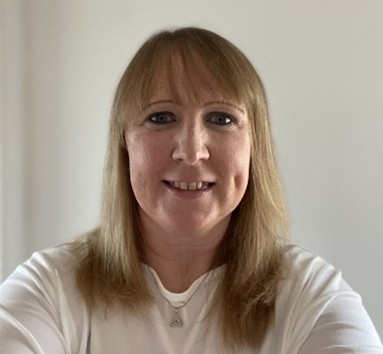
Susanne Arnold is the deputy chair of the BGS NAHPs Council and a previous chair of AGILE - the Professional Network for Physiotherapists working with Older People. She currently works as an Assistant Professor at Warwick Clinical Trials Unit within the Surgery, Pain, and Rehabilitation group.

I hope you are all able to use this day as an opportunity to reflect upon and celebrate the remarkable impact that each of you, in one of the 14 different allied health profession (AHP) roles, has on the delivery of care for older people.

The BGS and its members will all play a crucial role in supporting the changes needed to build a health service fit for the future and the theme for AHPs Day this year is around the three shifts: hospital to community; treatment to prevention; and analogue to digital. Today is the perfect occasion to showcase the pivotal work that we are doing with older people to meet these shifts whilst also acknowledging the challenges and hard work that lies ahead.

It is a day for championing the exceptional qualities and dedication of AHPs who work autonomously but also collaboratively in numerous different areas with all members of the multidisciplinary team (MDT).

We hope the reflections and experiences of the MDT and local service achievements that our members have shared here will not only highlight how important a collective approach to care of older people is but will also inspire the next generation of AHPs to #ChooseGeriatrics.
Embedded PDF
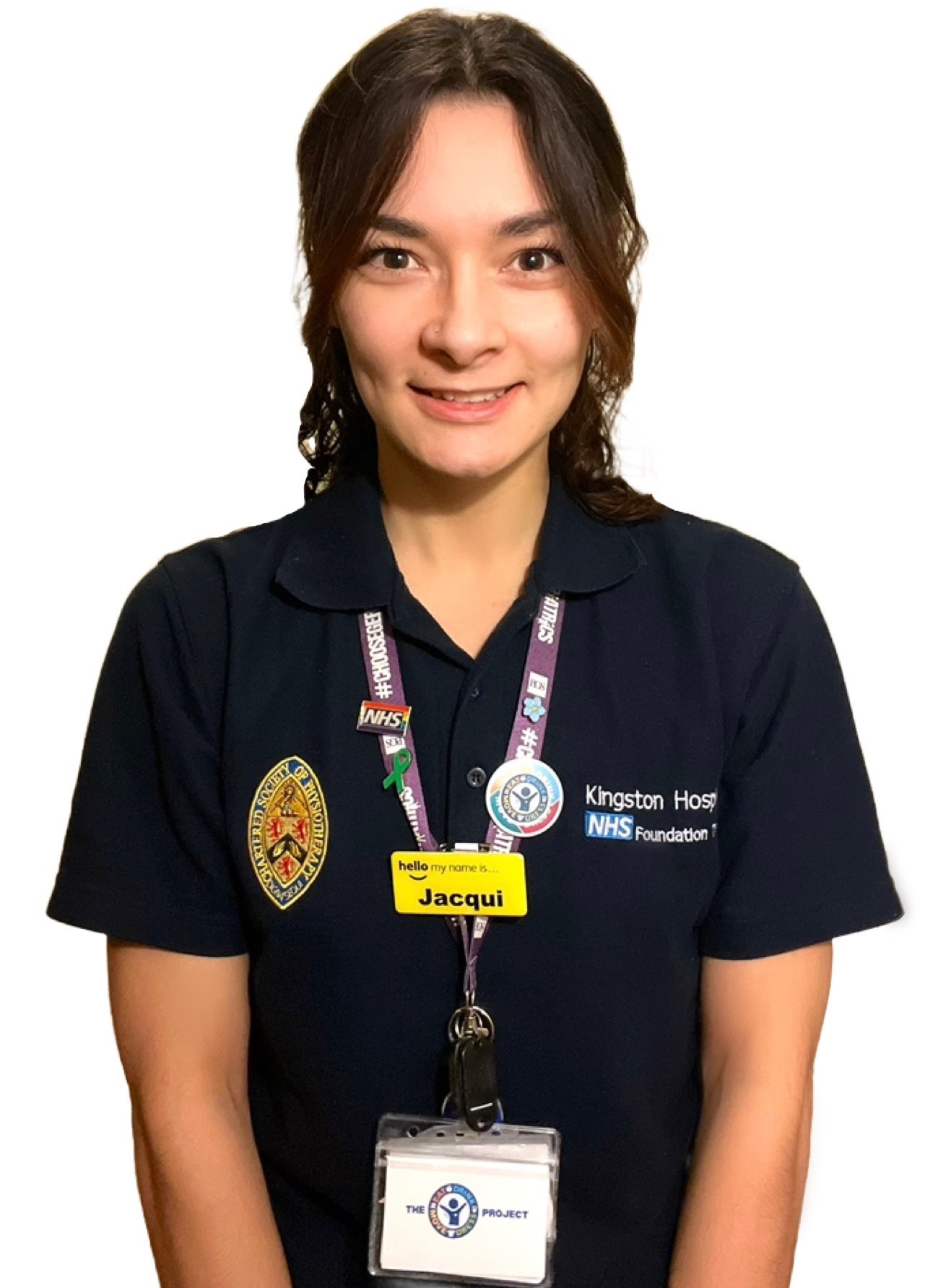
Jacqui Holmes

Jacqui is the Clinical Lead for the Eat, Drink, Dress, Move (EDDM) Programme at Kingston and Richmond NHSFT and a Physiotherapist by background. She is proud of the successful multidisciplinary quality improvement work conducted by Allied Health Professions (AHPs) – particularly physiotherapists, occupational therapists, dietitians and speech and language therapists – in collaboration with nurses and medical staff, to implement the EDDM Programme which aims to reduce deconditioning and associated harms with all patients, particularly older adults, whilst in hospital!


The EDDM Programme supports patient engagement in daily individualised EDDM activities whilst on hospital wards. The leadership and collaboration between AHPs have been vital in planning, implementing, and sustaining this programme of work – a great example of the impact that AHPs can have on improving care for older people.

Visit the EDDM Programme website or listen to ‘theEDDMpodcast’ on Spotify/Apple podcast!

Abi Hall


I’m a physiotherapist and clinical academic working across the NHS and university sectors, with a research focus on older people, frailty, and the workforce that supports them.

Older people’s care is complex, but it’s where AHPs truly shine. We work across boundaries and help people recover, stay well at home, and maintain independence. It’s proactive, preventative work that makes a tangible difference. My research aims to improve the management and rehabilitation of older people and strengthen the workforce that delivers this care. By developing and valuing this workforce, we can build more resilient services that meet the needs of an ageing population.

Geriatrics isn’t a ‘second choice.’ It’s the place where we can have the biggest impact. For me, it’s where I’ve found the most purpose.
 

Esther Clift


I chose geriatrics because I love the wealth of wisdom that our patients have about their conditions and their lives. I love being able to tailor treatment and support to what matters to them at this point in their lives (or at least try to do so). No two days are ever the same, and no two patients are ever the same. I enjoy sharing my passion for good quality care of older people with colleagues across the system. I am delighted to be teaching an Interventions for Frailty and Falls module, for mostly AHPs, but we are never exclusive (!) with my Associate Lecturing role at the University of Winchester, which fits in a master’s programme for Community Rehabilitation.


My brilliant Acute (Front Door) Frailty Team, which is mostly AHPs, but not exclusively, have just completed some personalised care training with Wessex Academy for Skills in Personalised Care (WASP), and are using ‘What Matters to Me?’ questions in our Comprehensive Geriatric Assessments. We see patients more honest about their wishes and their fears.
 

Jo Jennings


I trained as a physiotherapist because I wanted to make a meaningful difference in people’s lives. One of the things I love about working in geriatrics is the emphasis on what matters most to each individual.

In geriatrics, you are not focused on just treating conditions; it's about understanding the person behind them - their goals, values, and lived experiences. This deeply aligns with my own professional values and the reason I entered physiotherapy in the first place.

Ros Fraser and colleagues


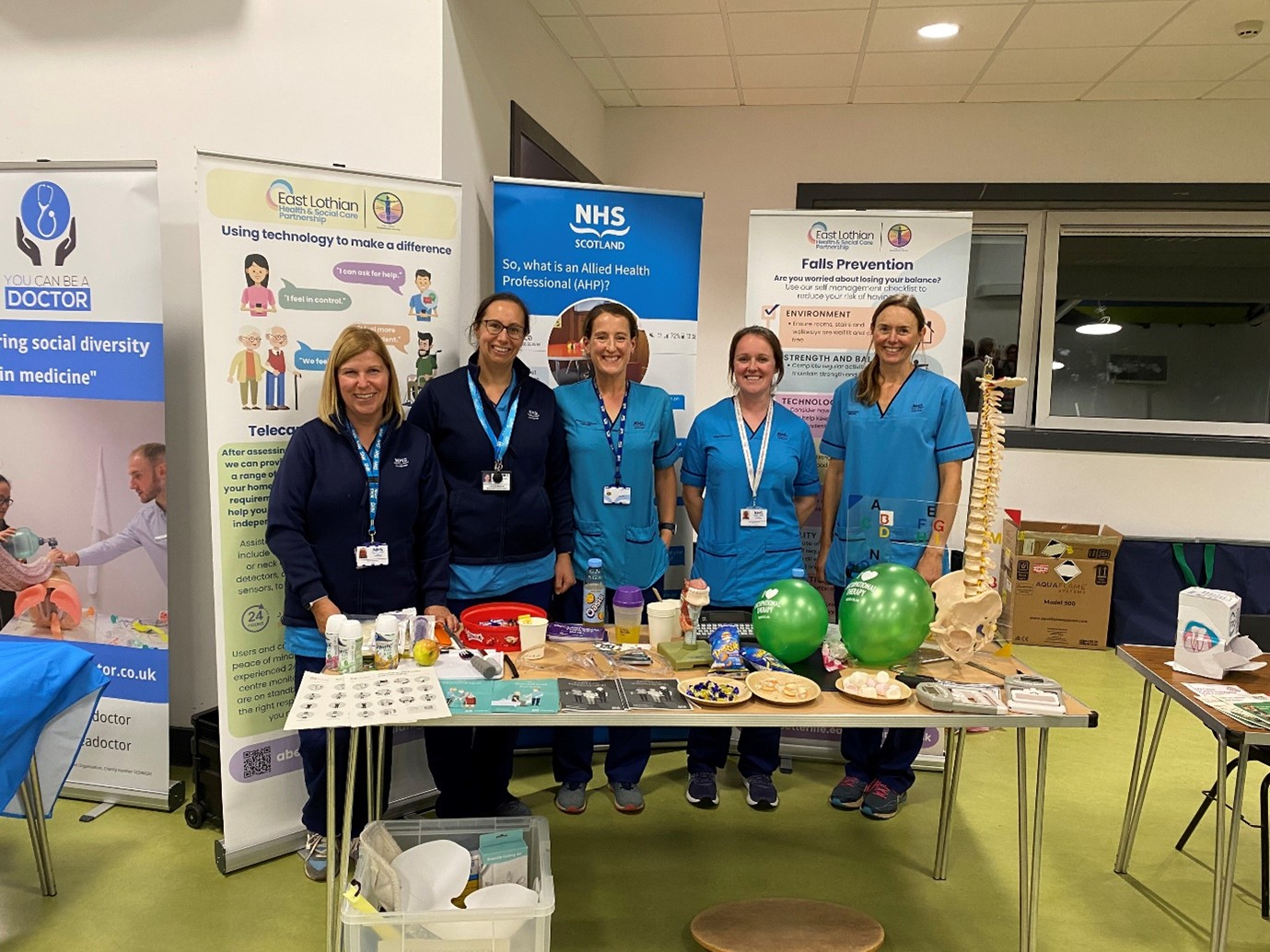
Colleagues from Speech and Language Therapy, Physiotherapy, Occupational Therapy and Dietetics presented at the Allied Health Professions stand at the North Berwick High School Careers Fair. It was a busy evening with 61 exhibitors and 885 people in attendance. The school deputy headteacher described it as their most successful careers evening ever. We had lots of interest from students and their parents who said the event was informative and aspirational. We hope to have inspired some future members of our professions.

Michelle Lewis


My name is Michelle Lewis. I am the Falls Development Lead for Northamptonshire NHS Foundation Trust and an Occupational Therapist. I am a member of the British Geriatrics Society.

I qualified as an Occupational Therapist in 2001 and have worked in a variety of settings including orthopaedics, neurological rehabilitation and falls prevention.

Throughout my career I have been focused on working with older people. I am passionate about ensuring that older people have access to individualised care with a focus on quality of life and promoting independence.

My current role as falls lead for a community and mental health trust has a focus on promoting safe mobility and activity both in inpatient and community settings. The nature of an AHP role, particularly that of an Occupational Therapist, means that I look at the older person in a holistic manner, assessing and addressing all of their physical, social, environmental and mental health needs, with a goal of reducing their falls risk factors and improving their safety and quality of life, reducing the need for hospital admission.

Jade Bazylkiewicz


I am a physiotherapist by background and work as Clinical Lead Advanced Care Practitioner (ACP) in Frailty. This is the first role of this kind within our health board, which is still managed by physiotherapy rather than medicine. My role is to medically assess and manage a patient's problems whilst providing enhanced therapeutic assessment and intervention. Physiotherapists possess a strong skillset well suited to the older, frail population and means I can deliver high quality, holistic, evidence-based care focussed on what matters most to the patient, reducing the need for onward referrals and delays through the hospital system. As a clinical lead, I am also heavily involved in championing new ACP roles for physiotherapists and building competence and confidence in the aspiring physiotherapy workforce. There can be limited career progression for experienced physiotherapists and we need to champion keeping those expert clinical skills inside clinical practice, rather than lost to management roles. As well as clinical leadership, I work across the other pillars of advanced clinical practice. I am involved in delivering education helping to upskill the MDT and student workforce, as well as participating in research (current service development projects include sarcopenia assessment and management, rehab prescription, setting up a physio service in ED, as well as contributing data for a national research project).

Helen Caldwell


I love being a physio! The human body has always fascinated me. I worked around specialties, finding that geriatrics was by far my favourite area. Geriatrics is complex, very rarely black and white, and I love that challenge. It requires a truly holistic approach, with active listening and empathy, centred on what matters most to each individual. Supporting people to maintain their independence and wellbeing. What can be better than that?!

Caroline Wade-Smith


Back in 2020, with 20 years of NHS AHP physiotherapy experience, I found myself at a crossroads professionally and pondered where to go next. My inquisitive nature had motivated me to want to progress professionally and go back to education but also stay within the clinical setting and not be sat behind a desk doing rotas or recruitment! My background of inpatient therapy experience within London, Southampton and Salisbury hospitals had given me the foundations of autonomous clinical practice, leadership, education, and service and quality improvement but also the motivation to challenge myself. The apprenticeship in 'Advanced Clinical Practice' was the innovative pathway for me and I was lucky to join a cohort at Bournemouth University after an interview and selection process.

My passion for 'Front Door' frailty services was the ideal service to be a part of, for the 10 years leading up to, and for during my training. I have now been qualified for two years as a 'Frailty Advanced Clinical Practitioner’ and everyday appreciate the complexity and rewarding nature of working with our older people in society. I am fortunate in that I maintain the holistic nature of our comprehensive geriatric assessments, whilst ensuring timely clinical review, diagnosis, treatment, early transfer of care or avoiding hospital admission where appropriate. The multifaceted approach allows assessment of a patient’s mood, mobility, medications and wishes for what 'matters most' for the time in hospital. We are complementary to the doctors’ hard work and add the time needed to build rapport and trust and can often see through the whole of the patient’s journey from admission to discharge, to support services such as Hospital at Home, and allowing continuity of care. The opportunity for service development and evidence-based practice is fulfilling and exciting, and education and mentoring is essential and rewarding, as we grow to take on more ACP trainees from the AHP and nursing backgrounds. I would wholeheartedly encourage the recognition of our amazing AHPs in frailty but also encourage the 'cross professional' development into further training and building of capabilities, to help look after our ever growing, wonderful, ageing population.

Lisa Davies


My name is Lisa Davies, and I am the Clinical Lead for a large Primary Care Network (PCN) for the Enhancing Health in Care Homes (EHCH) Framework. I am an experienced paramedic just completing my dissertation to complete my ACP Master's in March 2026. I have worked in primary care for the last 5 years.

My interest in geriatrics and specifically palliative care came about as a result of my brother's end-of-life journey. He lived with Downs’ syndrome and was the most loving, kind person you could meet. He developed early-onset dementia and quickly started his end-of-life journey. My family and I were faced with the difficulties of an uncoordinated healthcare system, even as experienced healthcare professionals. We knew what was needed, but the process of organising a Respect form, ensuring he remained at home and comfortable and organising the administration of anticipatory medication was incredibly difficult.

Although very sad, I honour my brother's legacy as this experience led me to work in a hospice and complete degrees in palliative medicine and frailty to further my understanding. In my current role, I often reflect on my personal experiences when incorporating the principles of EHCH to focus on improving the quality of life for older adults with life-limiting illnesses within the care homes we support, focusing on improving quality of life, managing symptoms, and addressing the physical, social, and emotional needs of patients and their families.

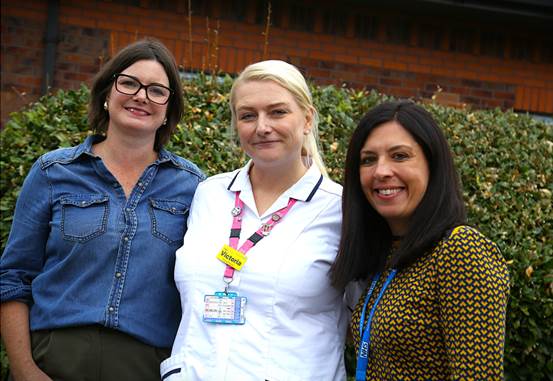
Left to right: Alice Kilby, Victoria Place, Rebecca Smith

L-R: Alice Kilby, Victoria Place, Rebecca Smith


A twelve month Falls in Care Homes Fellowship role commissioned by Nottingham and Nottinghamshire ICB has now moved to a business-as-usual model in Nottinghamshire. The role designed and delivered by an occupational therapist and two physiotherapists   involved rigorous qualitative and quantitative evaluation to understand why falls rates in care homes are high, and why so many care home residents were presenting at A&E following falls incidents. Intervention included enhanced support to care homes, based on findings, to the homes with the greatest need and the implementation of rapid large scale quality improvement to care homes. Care homes were supported to implement comprehensive falls risk assessments and trained in the nationally recognised Action Falls approach, supported by Nottingham University. Much of the focus of the work was also about developing a psychologically safe, no blame environment for care home staff to reflect and learn together, using compassionate and collaborative leadership styles. At the heart of this work was the building of trusted relationships across organisational boundaries with a sharing of responsibilities for falls prevention. Homes involved in the project saw a 22% reduction in ambulance activity and a 19 % reduction in falls related non elective admissions. A similar model has been adopted by Nottinghamshire Healthcare NHS Foundation Trust as part of service delivery into care homes. Launched on the 15th of September as part of the Falls Awareness Week celebrations for the trust, a team of 8 allied health professionals has been recruited to offer a similar model of intervention to a further 12 care homes. An evaluation of this second wave of support will take place in March 2026.

For further information about this work please contact: Victoria.Place@Nottshc.nhs.uk, Rebecca.Smith258@nhs.net, and Alice.Kilby@nottshc.nhs.uk 

Lisa Henderson


I began my career as a paramedic over 20 years ago, but it was working with older adults that truly shaped my professional path. I was drawn to geriatrics because of the complexity, resilience, and individuality of every patient story. As a Frailty Lead and an advanced paramedic practitioner in primary care, I see first-hand how proactive, personalised care can transform outcomes for people living with frailty, helping them remain safe, independent, and well at home.

A piece of work I am especially proud of has been building collaborative frailty pathways across our Primary Care Network. By bringing together GPs, pharmacists, therapists, care coordinators, and social prescribers, we are creating a joined-up approach to managing frailty. This teamwork means that instead of responding to crises, we can anticipate needs, reduce avoidable hospital admissions, and support people to live better, not just longer. It is this spirit of collaboration and patient-centred care that makes me proud to be an AHP working in geriatrics and excited about the future of frailty care.

Busiswe Nwosu


I am a frailty practitioner in care homes. I have completed the initial phase of transforming frailty and falls management by incorporating family involvement in care planning. The primary goal of my work is to implement the Frailty Care Bundle (nutrition/ hydration, mobility, and cognitive stimulation). This is a collaborative project with our dietitians, dementia specialist, occupational therapists, and care home managers. My contribution is on slow stream rehabilitation.

Embedded PDF