Dr Tarun Solanki is a Consultant Geriatrician at Taunton and Somerset NHS Foundation Trust and National Council Chair of BGS England. He has been involved in geriatrics for almost 30 years with a broad range of experience in the speciality.
There has been a significant focus on the impact of Covid-19 on older people in the United Kingdom. It is clear that in the UK older people have been disproportionately affected both in terms of the number of deaths and the impact of social isolation, de-conditioning and delayed diagnosis of other conditions. While it is important for us to focus on the issues facing older people in the United Kingdom, it is important for geriatricians to have a broader perspective of the impact of this pandemic on older people in countries which do not have the benefits of the health care and social care available to us in the UK.
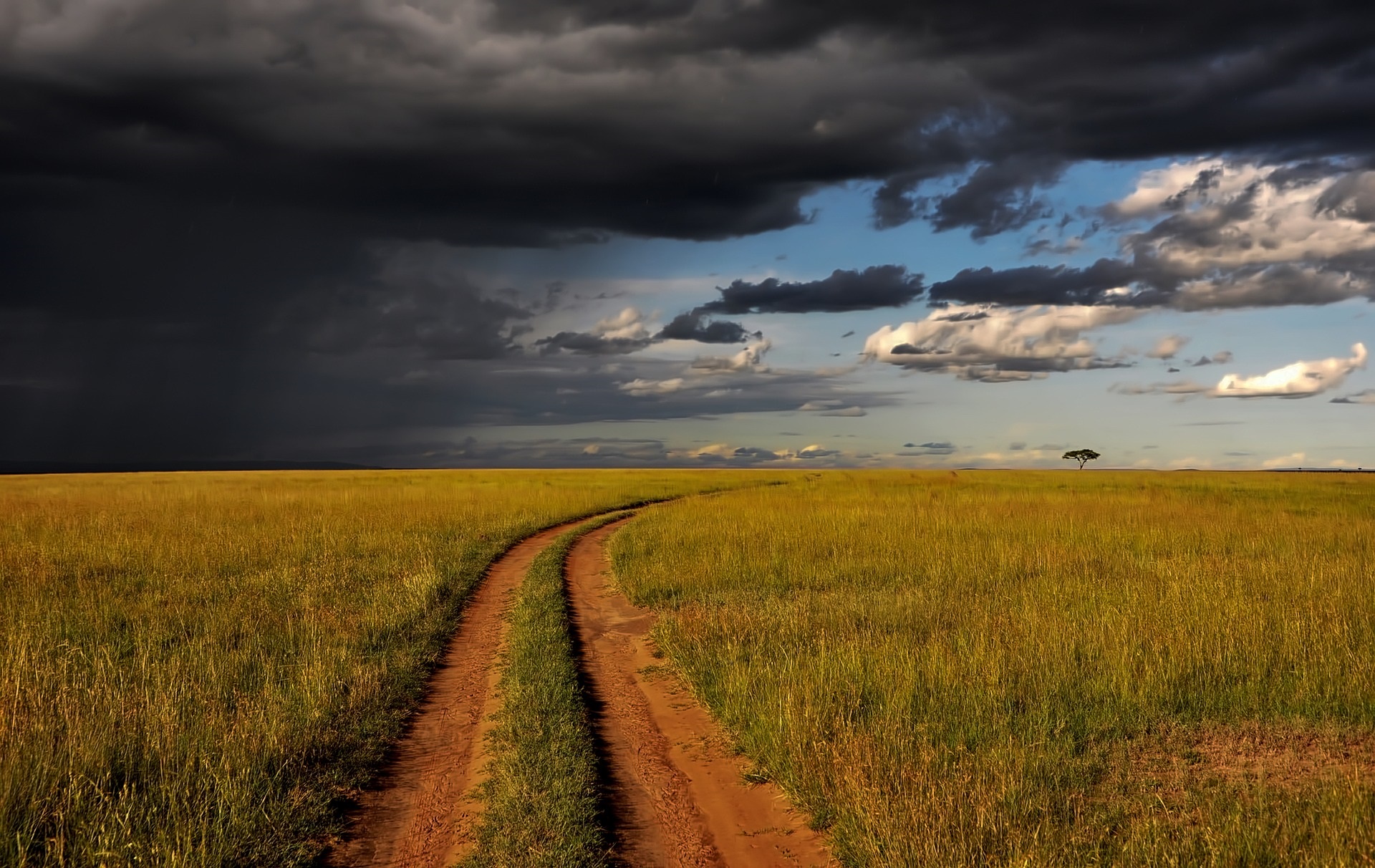
Earlier this year, I had the opportunity to visit a rural village in Western Kenya to see first-hand the plight of older people. I was based at Ramba village which has a population of approximately 4000 with just over 200 people over the age of 60 and 80 people over 80 years old. The residents are of the Luo tribe, accepted nationally to be one of the poorest tribe in Kenya’s diverse population with a poverty level of 52.9% compared to a national average of 36.1%. Furthermore, the County has an HIV/AIDs prevalence of 27.1% compared to the national average of 6.3%. Socially the county has a huge burden of care for a large number of orphans; widows and widowers as both parents and spouses suffer due to HIV/AIDS. The county has a doctor to population ratio of 1:40000 and nurses at 1:1500. These statistics relate to whole populations and it is generally accepted that poverty and inadequate health care provision disproportionately impacts the old and children. In the absence of state provision, older people have to rely on savings, occupational pensions (very rare) or on relatives for support if they are unable to sustain themselves. The majority of villagers rely on subsistence crops of maize, sweet potato and kale for their meals. Even if, as an older person, you are fortunate to have working age children they cannot be relied upon to provide for food and support as the children themselves have barely enough to feed themselves despite working comparatively long hours for a pay equivalent to £1-1.50 per day. Frailty, illness or disability leaves the older person vulnerable to malnutrition or starvation as they are unable to tend the land, look for firewood and obtain water from the local bore hole. As mentioned above, access to health care is very limited and frequently inaccessible to the older population due to the extreme poverty.
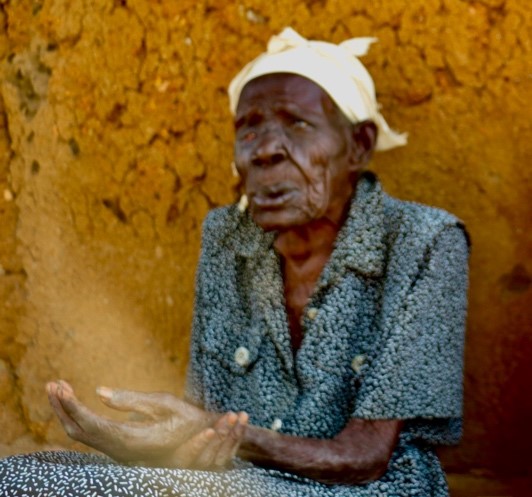
During my visit I saw over 30 frail old people over the age of 80, both on domiciliary visits and a clinic of 12 patients. The common threads with these individuals were lack of food, loneliness and lack of finance for even simple medications such as paracetamol! All of them were underweight with most weighing less than 50kg. My ordinary sphygmomanometer cuff was too large for the majority. The most common medical complaint was of joint pain from significant osteoarthritis in their hips and knees. Despite this they were all mobilising with a stick or unaided. I lady I met was a 96-year-old lady living in a remote location (we had to walk the last 500m despite being in 4WD vehicle). She was blind in one eye and was complaining bitterly of a painful left wrist following a fall a couple of months ago. She had not sought medical help for lack of money. She continues to have severe pain in the wrist and cannot use the left hand/arm due to pain. Consequently, cooking has been difficult and on one occasion when she was cooking her only dress got burned.