Maree O’Connor is a physiotherapist with over three decades of experience in chronic oedema management and is a current PhD candidate at Australian Catholic University.
How often do you look for chronic lower-limb oedema when assessing an older person? If the answer is "not routinely", you are probably not alone.
Our recent systematic review, published in Age and Ageing, suggests chronic lower-limb oedema may be far more common than many clinicians realise.
This review examined evidence on the prevalence, characteristics and potential risk factors for chronic lower-limb oedema among adults aged 60 years and older living in community and residential care homes. The findings highlight an important but often overlooked issue in the health of older people.
A common condition hiding in plain sight
Population-based studies included in the review suggest that approximately 24% of older adults living in the community have chronic lower-limb oedema. In other words, around one in four older people may be affected.
Given the ageing population, this represents a substantial health burden. Yet chronic oedema receives relatively little attention compared with many other long-term conditions affecting older adults.
Recognising oedema early matters because it can affect mobility, skin integrity and overall quality of life.
Oedema rarely occurs in isolation
A consistent finding across studies was the close relationship between chronic oedema and multimorbidity.
Older adults with oedema frequently had coexisting conditions such as diabetes, cardiovascular disease and obesity. Oedema was also commonly associated with cellulitis, wounds and functional limitations.
These findings suggest lower-limb oedema should not be viewed as an isolated symptom. Instead, it often forms part of a complex clinical picture involving multiple chronic conditions and increasing care needs.
What role does mobility play?
One of the more noteworthy findings was that oedema appeared to occur at similar rates among older adults who walked independently, used mobility aids or were chairbound.
This does not necessarily mean mobility is unimportant. Rather, it highlights limitations in how mobility has been measured in existing studies.
Broad mobility categories provide little information about physical activity levels, sedentary behaviour or calf muscle function, all of which may influence the development of oedema. Future research should explore these factors in greater detail to improve our understanding of why oedema develops and persists in some older people.
What do we know about older adults in residential care homes?
Despite the high burden of chronic disease among older adults living in residential care homes, surprisingly little research has examined chronic lower-limb oedema in this setting.
The available studies often had methodological limitations, including recruitment challenges and assessment approaches that may have missed milder oedema. As a result, the true prevalence of chronic oedema in residential care homes remains unclear.
This evidence gap is important. Without reliable prevalence data, it is difficult to understand the scale of the problem in order to plan appropriate prevention and management strategies.
Implications for practice
While current evidence does not establish clear independent risk factors for chronic lower-limb oedema, it does show that the condition is common and frequently occurs alongside other chronic health conditions.
These findings prompt several important questions:
- Are we routinely assessing older people for chronic lower-limb oedema?
- Are we identifying and managing oedema before complications such as cellulitis and wounds develop?
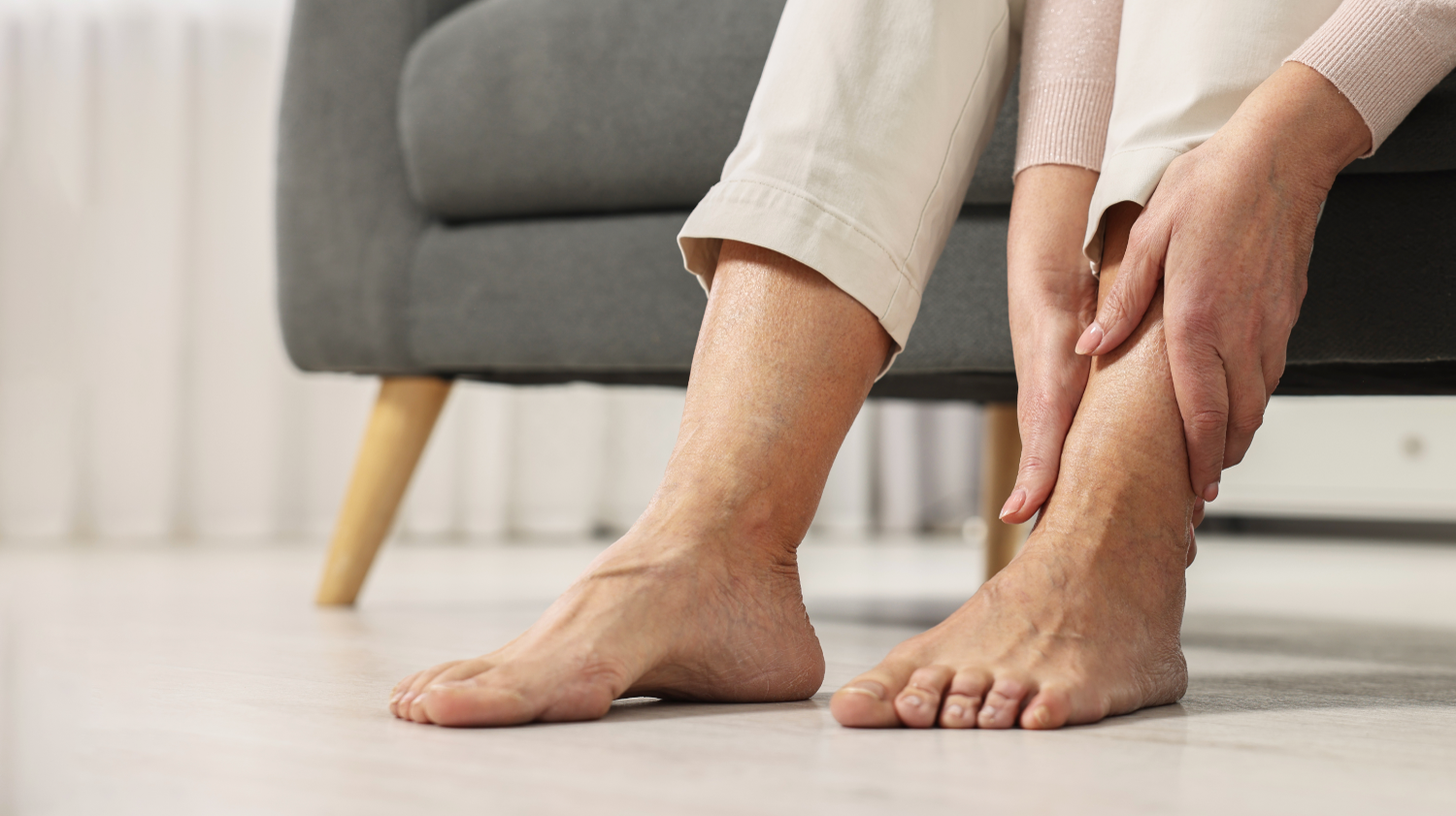
- Should screening by a simple pitting test of the feet and ankles be considered more readily in older people with obesity, diabetes or cardiovascular disease?
- Do services that care for older adults have systems that support early recognition and management?
Chronic lower-limb oedema should not be dismissed as an inevitable consequence of ageing. Greater awareness, earlier recognition and consistent assessment may help reduce complications and improve quality of life for many older adults.
The review also highlights an urgent need for better-quality research, particularly in residential care home settings where the burden of oedema is highly likely to be underestimated.
How is chronic lower-limb oedema identified and managed in your setting? Are there opportunities to improve early detection or assessment? We'd be interested to hear your experiences and perspectives.
| Read the full paper 'Prevalence, characteristics and risk factors for chronic lower-limb oedema in the older population living in the community or in an aged-care home: a systematic review ' in Age and Ageing. |