Dr. Denise Cheung is an Assistant Professor at the School of Nursing, The University of Hong Kong. Her research centres on complementary and alternative therapies, particularly for vulnerable populations needing symptom management, including survivors of intimate partner violence, cancer patients, and caregivers.
More than half of cancer patients diagnosed are aged over 65, and frailty can introduce additional challenges. Frailty is a prevalent condition in older cancer survivors, affecting nearly half of older cancer patients. It is a condition of increased vulnerability to adverse health outcomes, with poorer overall health.
For general older adults who have previously not been diagnosed with cancer, evidence has shown that appropriate interventions may reverse frailty conditions, that is, alleviating the frailty symptoms from more severe to less severe, and even to a healthy and robust state. Among these interventions, the most evident one is exercise.
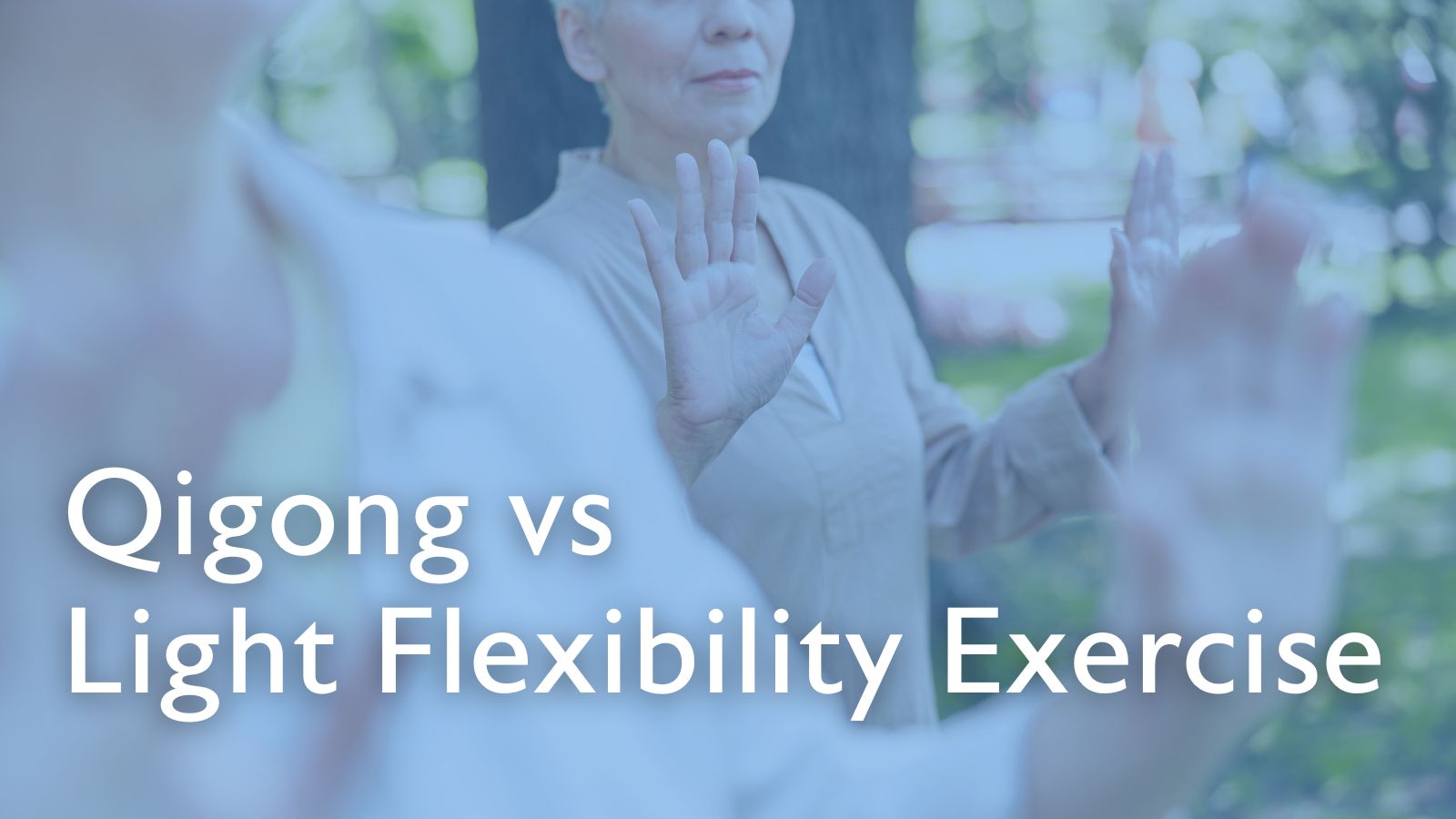
Our research team wanted to find an appropriate, effective intervention for older cancer survivors, and we turned to qigong. Qigong is a low-to-moderate intensity exercise rooted in Traditional Chinese Medicine. It aims to achieve a harmonious flow of qi (energy) through rhythmic movements, breath regulation, and mindful meditation. Popular among older adults, it has the potential to reverse frailty in older cancer survivors. Previously in a non-cancer population, one randomized controlled trial (RCT) demonstrated qigong significantly reduced frailty in older adults with cognitive impairment. To our knowledge, our team is among the first to conduct an RCT specifically examining modalities to improve frailty in older cancer survivors.
We compared a 16-week qigong intervention to a light flexibility exercise program in a group of older Chinese cancer survivors who were prefrail or frail. 226 post-treatment cancer survivors aged 65+ screened as pre-frail or frail were randomized, 113 to the qigong group and 113 to the control group. Both qigong and light exercise led to significant improvements in several key areas. Participants in both groups experienced enhanced physical performance, improved psychological wellbeing, and a higher quality of life (HRQoL). While qigong was not found to be superior to light exercise in reversing frailty status based on physical measures, both interventions demonstrated positive effects. Notably, qigong showed a trend towards greater improvement in multidimensional frailty, which considers psychological and social factors alongside physical aspects.
These findings suggest that both qigong and light flexibility exercise can be valuable tools for promoting wellbeing in pre-frail and frail older cancer survivors. Since these gentle, lower-intensity exercises may be more preferable and easier to stick with for older adults, healthcare providers may recommend both options to older cancer patients, allowing them to have more exercise options. Especially for qigong, with its cultural roots and heritage, it is great for group practice and may be even more popular among Chinese older cancer survivors. Cancer community groups and healthcare providers could consider organising qigong group practice for older cancer survivors to make it even more engaging and help them establish an exercise routine.