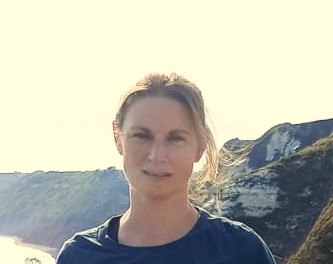
Kate Taylor is a dietitian at Royal Devon University Health NHS Foundation Trust. She has an interest in nutritional interventions with older adults particularly in relation to malnutrition, sarcopenia and frailty.
When I qualified as a dietitian in 2018, I started where many do: an acute rotational post. But it was my move to a community role, overseeing rehabilitation wards for older adults, that redefined my career.
On those wards, I witnessed firsthand the impact of frailty and deconditioning. I wanted answers, so I dove into research. During NIHR awards, I used clinical time to audit ward food intake and led a care home quality improvement project reviewing nutritional supplements. After a few years as a specialist interstitial lung disease dietitian within an enhanced supportive care multidisciplinary team (MDT), I am now taking my biggest leap yet: a Wellcome Trust funded PhD.
Challenging the myths of ageing
As a community dietitian, the vast majority of my patients were older adults. It quickly became clear that this population needs us substantially, yet their nutritional needs are frequently overlooked.
Perhaps the biggest frustration is the myths we still have to bust. I still hear medical professionals claim that weight loss is "just a normal part of getting older." Worse, I meet patients who are thrilled they’ve lost weight, completely unaware that they are losing vital muscle mass. From improving food provision in hospitals and residential settings to educating outpatients, there is a massive gap in care with plenty of work for dietitians to do.
Why I chose geriatrics
If you want to make a tangible, everyday difference, geriatrics is the place to be.
I once attended an Age UK exercise class for research feedback. The participants were shocked to learn that dietitians do not regularly specialise in older adult care. One woman shared that she was seeing three different dietitians, each giving conflicting advice for different conditions.
That is exactly why we are needed. In geriatrics, we look at the whole person. We build practical plans for patients managing multiple conditions, ensuring they can still enjoy their food. By specialising here, you can join MDT working to combat frailty, improve institutional food systems, and perhaps even reduce the heavy burden of laxative use, which was a top outcome from my previous patient and public engagement work.
A community waiting for you
To truly change how we treat real world patients, we need more dietitians leading research and rewriting the narrative around healthy ageing.
If you are nervous about stepping into this space, let me reassure you. When my mentor signposted me to the British Geriatrics Society (BGS), I ended up presenting my abstract on stage. Instead of an intimidating room, I found a warm, multidisciplinary network. The BGS has since supported my conference attendance, awarded me an abstract prize, and welcomed me into a Special Interest Group.
There is a seat at the table for dietitians here. If you want a career where you can innovate, challenge old dogmas, and truly improve quality of life, choose geriatrics.