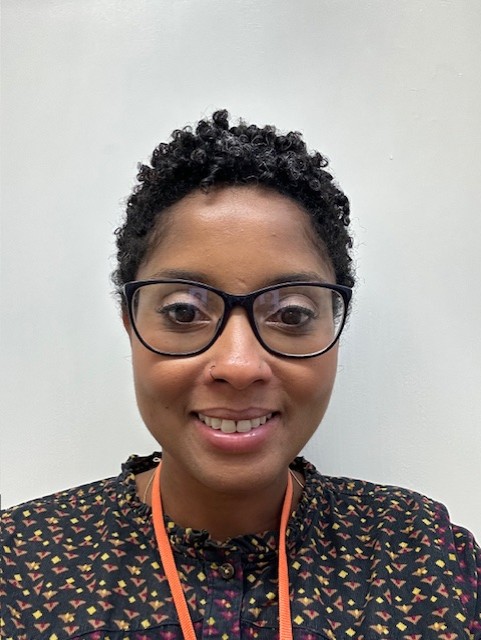
Dr Ruth Porther is a geriatrician and specialist doctor for community hospitals working for Kent Community Health NHS Foundation Trust. She has a special interest in palliative care. She posts on LinkedIn.
A “palliatrician” is a colloquialism used variably to refer to a doctor who has interest in, and experience of, palliative care and geriatrics.1 These doctors are concerned mainly with looking after older people who are felt to be entering the last stages of life. I count myself as one such clinician and have a particular interest in looking after those dying with benign, life-limiting conditions such as frailty, dementia and heart failure. This is my story of how I became a palliatrician and how I believe this niche role aligns with the Ten Year Plan for the NHS.2
In 2020, at the beginning stages of the COVID-19 pandemic, I was facing a unique set of circumstances: difficulties in my personal life, burnout at work and disillusionment with medical training. After completing Core Medical Training that year, I decided not to pursue higher specialty training. I needed time to focus on building my resilience during a period of increasing uncertainty. As the UK faced waves of COVID-19 strains and lockdowns, I prepared to sit the Membership of the Royal Colleges of Physicians Practical Assessment of Clinical Examination Skills (MRCP PACES) exam and, once I passed, completed the Specialty Certificate Examination (SCE) in Geriatric Medicine and applied for a Master’s course in Palliative Medicine within the same year. As the acuity of the pandemic reduced, I emerged with varied work experience that I felt reflected my interests, having worked in hospital-at-home geriatrics, orthogeriatrics and hospice in the capacity of a locum registrar and specialty doctor. I have most recently started a job as a specialist doctor (the new associate specialist grade) working in community hospitals.
I always believed that my interests and passions lay between palliative care and geriatrics. In my foundation years, I was the doctor who gravitated towards seeing the 80-year-old lady admitted to the emergency department with a fall at 2am, and I was always protective of anyone on my ward thought to be in the last stages of life, taking on complex conversations with their families and making timely decisions about their treatment and care. I have to say, I always harboured a subtle resentment that one day I would have to choose between geriatrics and palliative medicine as my primary specialty. After changes were made to higher specialty training requiring trainees in both specialties to work in the capacity of a medical registrar on call, I felt that I would be more suited to pursuing a portfolio career. I never felt I was my best self when I was working general medical on-call shifts and felt my mental health would, again, suffer if I continued down that path.
The NHS is responsible for delivering medical care for an ageing population that is living longer with frailty and increasing comorbidity. Dementia and Alzheimer’s disease are the number one cause of death in England and Wales3 and people living with conditions such as frailty and dementia receive care across a number of settings between community and hospital towards the end of life. One of the aims of the Ten Year Plan for the NHS is to shift care from hospital to community2 and there are now a variety of initiatives being added to existing community and primary care services including virtual wards, hospital-at-home and hospice-at-home, to help achieve this goal. However, much of internal medicine training and higher specialty training in specialties like geriatrics continues to be delivered in secondary care. Although trainees in specialties such as palliative care must demonstrate competency in managing people living with frailty and other co-morbidities, anecdotally, in my experience, they don’t always have confidence with managing issues such as complex stepwise deprescribing, movement disorders presenting late in life, and differentiating and treating multifactorial delirium versus cognitive impairment, which are usual fare for geriatricians.
There are many positives to the changes that have been made to higher specialty training in recent years4 but limitations remain. We need to continue to think critically about the skillset that senior physicians working in the NHS of the future will require and whether current training pathways align with the Ten Year Plan for the NHS. It is likely that physicians will increasingly be expected to practice competently in and participate in designing integrated pathways across settings: hospital, community and intermediate care, looking after frail older people with increasing degrees of complexity outside of traditional settings. Portfolio doctors such as those working in senior Specialty, Associate Specialist, and Specialist (SAS) roles are an important resource with many having varied backgrounds and qualifications. They have the potential to offer clinical expertise in non-traditional settings and become leaders who bring a creative approach to problem-solving by thinking outside the box. Alongside ensuring that doctors can deliver “general care in broad specialties”,4 we should continue to value and hold space for clinicians such as palliatricians who have the competency to work across specialist settings and bring unique perspectives and skillsets to care of their patients.