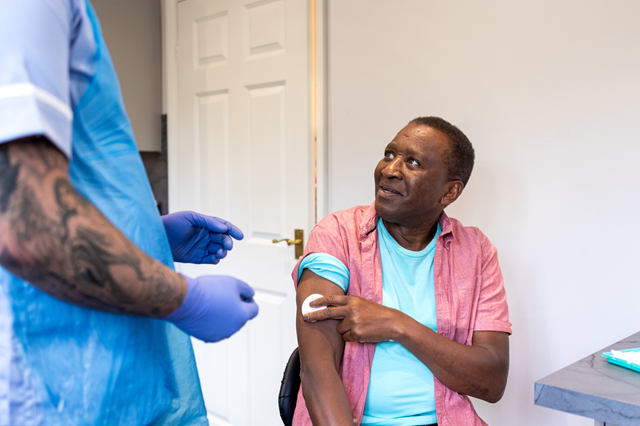
Seasonal flu vaccine
The seasonal influenza vaccine remains a cornerstone of protection for older adults. For winter 2025–26, flu vaccinations will be available from 1 October 2025 through GP surgeries and community pharmacies participating in the NHS programme. Many frontline health and social care staff will be eligible too. The vaccine is intended to provide protection against circulating influenza viruses.
Eligibility:
The following groups are eligible for a free flu vaccine through the NHS:
- Those aged 65 and over
- Those aged over 18 with a serious long-term health condition
- Those aged over 18 who are pregnant
- Those aged over 18 who are in long-stay residential care
- Those aged over 18 who receive Carers’ Allowance or are the main carer for an older or disabled person
- Those aged over 18 who live with someone who is more likely to get a severe infection (such as someone who has HIV, has had a transplant, or is having certain treatments for cancer, lupus or rheumatoid arthritis)
- Frontline health and social care staff
Adults who are not eligible for a free flu vaccine may be able to access one through their employer. Alternatively, adults can pay for the flu vaccine through many high street pharmacies.
COVID-19 vaccine (Autumn/Winter Booster)
Alongside the flu vaccination, adults aged 75 years and over, as well as residents of care homes, will be invited to receive a COVID-19 booster. The autumn/winter vaccination programme will run from 1 October 2025 to 31 January 2026. The booster is designed to reduce the risk of severe illness, decrease the likelihood of hospitalisation, and shorten recovery time following infection.
Eligibility:
- Adults aged 75 years and over
- Residents of care homes
- Everyone aged 5 and over is eligible for a first and second dose of the COVID vaccine.
- Everyone aged 16 and over is eligible for a first booster dose.
- A seasonal booster ('Autumn' booster) is currently available for those who are:
- Aged 50 and over
- A frontline health and social care worker
- Pregnant
- Aged 5 and over and is high risk or lives with someone who is high risk
- Aged 16 and over and is a carer
RSV vaccine
Since 2024, adults aged 75 to 79 have been eligible for the RSV vaccine. This vaccination provides protection against serious complications arising from respiratory syncytial virus (RSV) infection. Early evidence indicates that the programme has already reduced hospital admissions by approximately 30% among vaccinated older adults. The RSV vaccine may also be safely administered alongside shingles, pneumococcal and COVID-19 vaccines, although it is generally scheduled separately from flu and COVID-19 vaccinations unless clinically required.
A single dose of vaccine helps to boost protection for those in the most vulnerable age groups. Unlike the flu vaccine, the the RSV vaccine is not required every year.
From April 2026, those aged 80 years and over, and all residents of care homes for older adults, will be eligible to receive the RSV vaccine on the NHS, with no upper age limit.
Shingles (Zoster) vaccine
Older adults are also eligible for the shingles vaccine. Individuals who turn 65 years of age after 1st September 2023 are offered the vaccine at that age, while those who turned 65 before this date will be eligible at age 70. The shingles vaccine protects against infection and serious complications, including hearing loss and, in rare cases, blindness.
Pneumococcal vaccine
The pneumococcal vaccine provides protection against serious illnesses such as meningitis, sepsis, and pneumonia. A single dose is routinely offered at age 65.
Additional age-related benefits
Interestingly, there is some emerging evidence that some vaccinations may offer more ageing-related benefits than originally intended. For example, influenza vaccines may offer all-cause mortality reduction (30%) in heart failure and reduce dementia risk to some extent.1
A recent study published in Nature2 suggests that large scale analysis of electronic health data noted that the new recombinant shingles vaccine Shingrix is associated with a reduced risk of dementia diagnoses by 17% over six years, compared to the older Zostavax vaccine. This equates to 164 extra days lived without dementia over a six-year period. While the results are promising, the exact mechanism is still under investigation. Potential explanations include the vaccine (or the adjuvant) reducing the inflammatory events or by offering a more potent immune response by targeting factors that contribute to dementia.
Further research and large scale Randomised Controlled Trials are needed to substantiate these connections.
Conclusion
The winter 2025 vaccination programme represents a coordinated effort to protect older adults from the most significant seasonal infectious diseases. By ensuring timely uptake of influenza, COVID-19, RSV, shingles, and pneumococcal vaccines, the NHS aims not only to safeguard individual health but also to reduce avoidable hospital admissions and relieve pressures on health and social care services. For older adults, remaining up to date with these vaccinations is a vital step in maintaining wellbeing, independence, and resilience throughout the winter months.