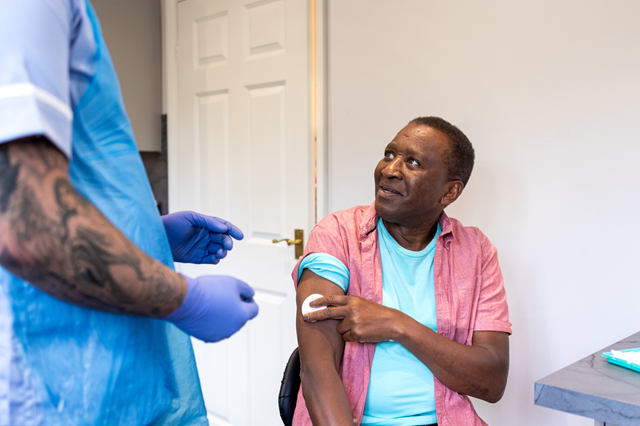
Seasonal flu vaccine
The seasonal influenza vaccine remains a cornerstone of protection for older adults. For winter 2026-27 flu vaccinations are available through GP surgeries and community pharmacies participating in the NHS programme. Many frontline health and social care staff are eligible too. The vaccine is intended to provide protection against circulating influenza viruses.
Eligibility for England
The following groups are eligible for a free flu vaccine through the NHS:
- those aged 65 years and over
- those aged 18 years to under 65 years in clinical risk groups (as defined by the Green Book, Influenza chapter 19)
- those in long-stay residential care homes
- carers in receipt of carer’s allowance, or those who are the main carer of an elderly or disabled person
- close contacts of immunocompromised individuals
- people experiencing homelessness (rough sleepers and those using homeless hostels or night-shelters) – new to the 2026/27 programme
- frontline workers in a social care setting without an employer led occupational health scheme including
- those working for a registered residential care or nursing home
- registered domiciliary care providers
- voluntary managed hospice providers
- and those that are employed by those who receive direct payments (personal budgets) or Personal Health budgets, such as Personal Assistants pregnant women
- all children aged 2 and 3 years on 31 August 2026
- primary school aged children (from reception to year 6)
- secondary school aged children (from year 7 to year 11)
- all children in clinical risk groups aged from 6 months to less than 18 years
Eligibility across the four nations is largely the same (those aged 65 and over, pregnant women, and clinical risk groups) but there are some differences. Eligibility criteria for Wales, Scotland and Northern Ireland can be found on the links below:
- Eligibility for the flu vaccine - Public Health Wales
- Flu vaccine | NHS inform
- Flu vaccine | nidirect
Adults who are not eligible for a free flu vaccine may be able to access one through their employer. Alternatively, adults can pay for the flu vaccine through many high street pharmacies.
COVID-19 vaccine (Autumn/Winter Booster)
Alongside the flu vaccination, adults aged 75 years and over, as well as residents of care homes, will be invited to receive a COVID-19 vaccine, (also referred to as a booster). The vaccine is designed to reduce the risk of severe illness, decrease the likelihood of hospitalisation, and shorten recovery time following infection.
Eligibility:
- adults aged 75 years and over
- residents in care homes for older adults
- individuals who are immunosuppressed, aged 6 months and over
Those who are eligible can get protection from an autumn COVID-19 vaccination even if they have not taken up a COVID-19 vaccine offer in the past.
This is the same eligibility as autumn 2025, but represents a change from the autumn 2024 programme, which also included adults aged 65 to 74 and all those aged 6 months and over in a clinical risk group. The eligibility is the same across the four nations of the UK (England, Scotland, Wales and Northern Ireland).
RSV vaccine
The RSV vaccine helps protect against respiratory syncytial virus (RSV). RSV is a common cause of coughs and colds but in some people (especially babies and older adults) it can cause illnesses such as pneumonia and bronchiolitis.
Before the introduction of the RSV vaccination programme, RSV accounted for around 30,000 hospitalisations of children under 5 in the UK annually, and for 20 to 30 infant deaths, and caused around 9,000 hospital admissions in those aged over 75.
The RSV vaccine is recommended to:
- those aged 75 or over
- all people living in a care home for older adults (aged 18 and over)
- pregnant women (from 28 weeks of every pregnancy) to help protect the baby from RSV when they are born and in the first few months of their life when the risk of serious illness is greater
- all adults aged 65-74 who have certain chronic respiratory conditions or have immunosuppression due to disease or treatment – new to the 2026/27 programme
Chronic respiratory disease includes those with:
- chronic obstructive pulmonary disease (COPD), including chronic bronchitis and emphysema
- bronchiectasis
- poorly controlled asthma
- cystic fibrosis
- interstitial lung fibrosis
A single dose is needed for older people. Pregnant women need a vaccine each pregnancy.
Eligibility aligns across all four nations of the UK.
Shingles (Zoster) vaccine
Older adults are also eligible for the shingles vaccine. It's available on the NHS for all adults turning 65, those aged 70 to 79 and those aged 18 and over with a severely weakened immune system.
Individuals who turn 65 years of age after 1 September 2023 are offered the vaccine at that age, while those who turned 65 before this date will be eligible at age 70. The shingles vaccine protects against infection and serious complications, including hearing loss and, in rare cases, blindness.
Eligibility aligns across all four nations.
Pneumococcal vaccine
The pneumococcal vaccine provides protection against serious illnesses such as meningitis, sepsis, and pneumonia. It's recommended for people at higher risk of these illnesses, such as babies and adults aged 65 and over. As of October 2026, those experiencing homelessness are also eligible for the vaccine.
Eligibility aligns across all four nations.
Additional age-related benefits
Interestingly, there is some emerging evidence that some vaccinations may offer more ageing-related benefits than originally intended. For example, influenza vaccines may offer all-cause mortality reduction (30%) in heart failure and reduce dementia risk to some extent.1
A recent study published in Nature2 suggests that large scale analysis of electronic health data noted that the new recombinant shingles vaccine Shingrix is associated with a reduced risk of dementia diagnoses by 17% over six years, compared to the older Zostavax vaccine. This equates to 164 extra days lived without dementia over a six-year period. While the results are promising, the exact mechanism is still under investigation. Potential explanations include the vaccine (or the adjuvant) reducing the inflammatory events or by offering a more potent immune response by targeting factors that contribute to dementia.
Further research and large scale Randomised Controlled Trials are needed to substantiate these connections.
Conclusion
The winter 2026/27 vaccination programme represents a co-ordinated effort to protect older adults from the most significant seasonal infectious diseases. By ensuring timely uptake of influenza, COVID-19, RSV, shingles, and pneumococcal vaccines, the NHS aims not only to safeguard individual health but also to reduce avoidable hospital admissions and relieve pressures on health and social care services. For older adults, remaining up to date with these vaccinations is a vital step in maintaining wellbeing, independence, and resilience throughout the winter months.