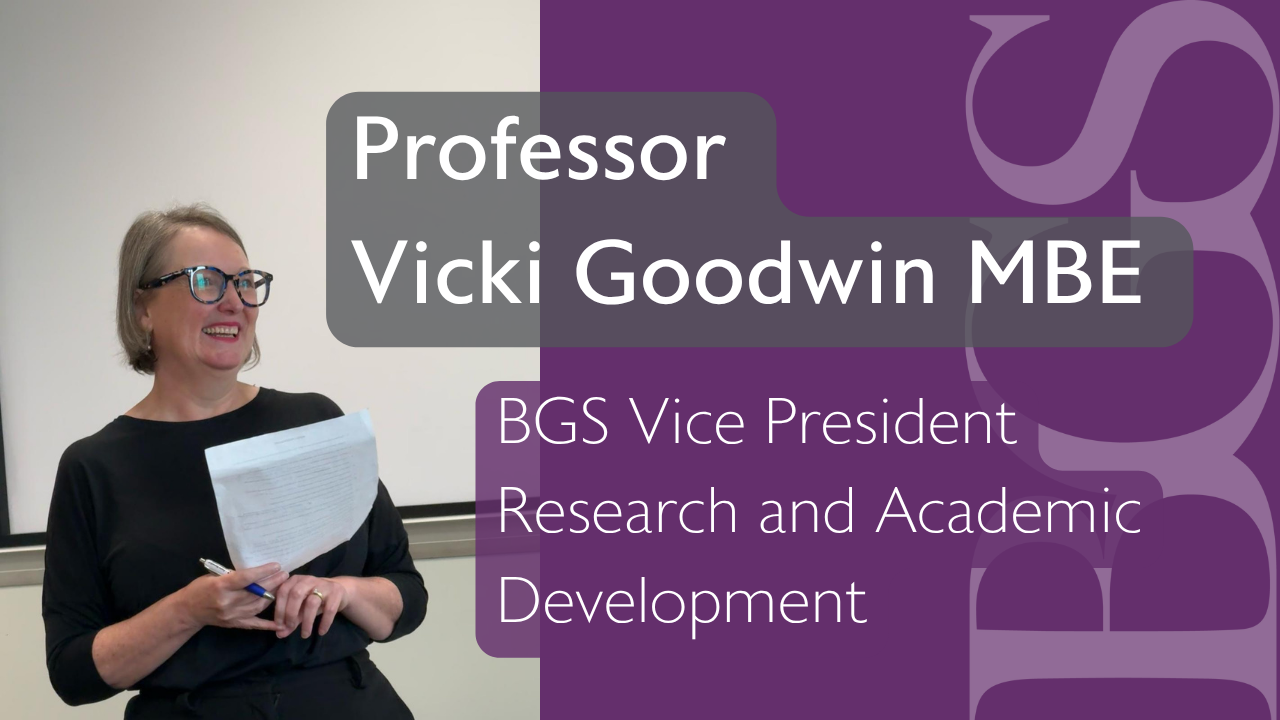
Lucy Beishon is a Clinical Associate Professor in Geriatric Medicine at the University of Leeds and Honorary Consultant Geriatrician at Bradford Teaching Hospitals NHS Foundation Trust. She is a National Institute for Health and Care Research (NIHR) Advanced Fellow. Vicki Goodwin is a Professor of Ageing and Rehabilitation at the University of Exeter and is BGS Vice President for Research and Academic Development. Here they share their recent experiences from sitting on NIHR grant funding panels.
It’s interesting that, despite us coming from different professional backgrounds (a geriatrician and a physiotherapist), being at different stages of our careers and sitting on different panels, our experiences are pretty similar. We both initially found it daunting to be surrounded by so many experts across diverse disciplines, many of whom are leaders in their respective fields. We’ve had to keep that pesky imposter syndrome well in check.
Lucy Beishon - NIHR Health and Social Care Delivery Panel member
I still remember observing my first Health and Social Care Delivery Panel and thinking what on earth have I signed myself up to! I was watching the fast back and forth, hands raising, responses, agreements, disagreements and frantically making notes before my first meeting as a full panel member. As an early career researcher, I was allocated an experienced mentor to support me with my first few meetings. To my surprise, she encouraged me to comment on every application where I felt I could add my experience, particularly around the inclusion of older people and frailty. I certainly surprised myself on the panel and found I was chipping in on almost every application – turns out there was a lot to say on the inclusion of older people with frailty in many of the studies! I still regularly find applications which directly address issues related to ageing and frailty, but where these aspects are not well considered or developed. Similarly, there are often gaps in geriatricians and other members of the multidisciplinary team on the applications. As a workforce, we need to consider how we can actively support research to ensure our patients are well represented across the funding and research landscape. Despite being a clinical academic, I feel much of my role is actually providing my clinical perspective on applications and making sure older people and those living with frailty are represented in the research space and agenda.
Vicki Goodwin - NIHR Health Technology Assessment (HTA) Panel member
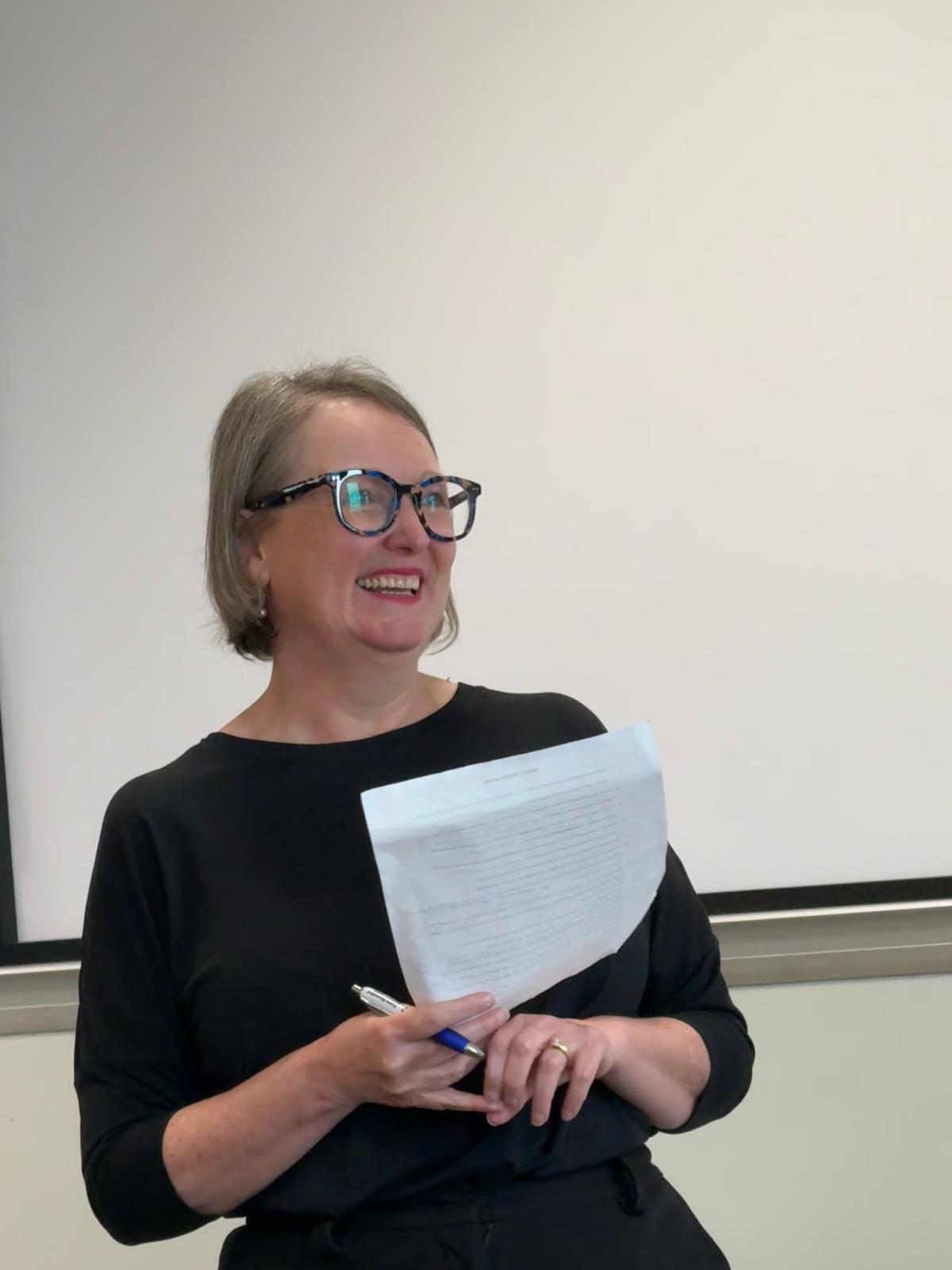
My first meeting was online and I got to observe without being responsible for reviewing any applications. It was good to see how everyone contributed, but I was in a state of panic about my relative lack of knowledge about clinical trials and statistics compared with the rest of the panel. That was 3 years ago now and I am just starting my second term on the HTA panel. As a physio, there are relatively few rehabilitation studies submitted and often they are led by physicians or surgeons with limited rehab expertise on the team – as expected, I have something to say about that! Most of the studies I review are about drugs, surgery or diagnostics and because I don’t know much about any of these, I can focus on the science, the team and research inclusion. There is such a wealth of expertise around the table, but everyone is so respectful of different views and perspectives. I’m very hawky with my marking but am always willing to be brought around.
Neither of us had fully appreciated that being on a grant panel is actually a reciprocal process. We’ve gained so much knowledge and developed our skills in research methods and grant writing simply by listening to the rich discussions taking place on the panel. Being on a panel is a bit like sitting in a morning board round – lots of voices from different disciplines, but everyone working together towards a shared vision and goal: funding good-quality research that will benefit patients.
Whilst sitting on the panel, we have both taken the opportunity to write successful NIHR funding applications. Undoubtedly, our success was a direct result of the knowledge we gained from listening to experts review and appraise applications. We were able to critically review our own applications through the hawkish eyes of panel members and consider how best to write them to grab the panel’s attention, whilst ensuring they addressed an important clinical question and were methodologically sound.
To any budding early career researchers or clinicians out there considering sitting on a panel, our advice would be to put the imposter syndrome away and go for it! We’ve provided some top tips below for anyone considering joining a funding panel and becoming an advocate for older people with frailty in research.
Top tips:
- Be confident in your experience – everyone brings something to the table be that clinical, methodological, or lived experience. Everyone’s voice matters and is heard.
- Take the opportunity to listen and learn – there is so much to learn from sitting round the table and hearing the rich interdisciplinary discussions.
- Don’t be overwhelmed – it’s easy to feel overwhelmed at first, there is a lot going on! Take time to understand the process and how you can contribute.
- Get a mentor – if you’re an early career researcher or clinician, an experienced panel member can support you.
- Don’t worry if you disagree – part of the art of being on a panel is learning to agreeably disagree!
- Comment on other applications, not just the ones you’ve reviewed. It’s good to provide your input on other relevant areas and application to ensure the whole expertise of the panel is leveraged across all the applications.
- Try to use the full range of scores from 1 to 6
- Make the most of the networking with the panel when you are in person – they could be future collaborators, mentors or members of oversight panels for your own research