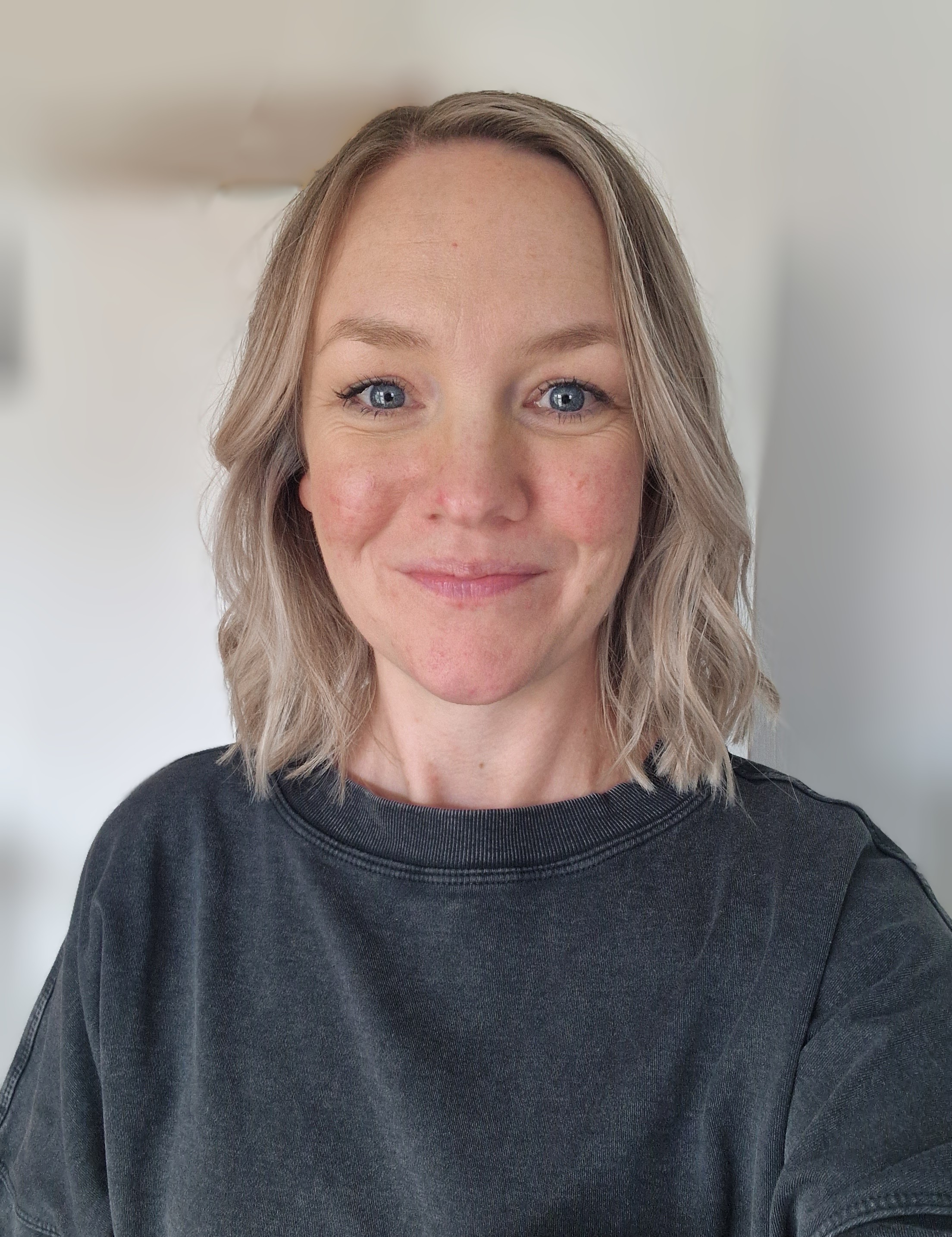
Kerry Burrows is a Frailty Specialist Pharmacist and Pharmacist Lead for Brunel PCN Integrated Neighbourhood Team. She is the Clinical Quality representative for the British Geriatrics Society's Healthcare in the Community Group.
When I started my pharmacy career, I was sure that I was going to be a hospital pharmacist, and I was going to specialise in either oncology or renal medicine. So now, as a frailty specialist pharmacist working in primary care, the plan didn’t quite work out, but I get to work with the complexity of medicine that I wanted, alongside a wonderful cohort of patients.
I began my career in the acute sector as planned, and loved it, as planned. However, due to some life events, including needing knee surgery and a senior colleague having twins, I found myself, as a junior pharmacist, being moved off the “set” rotations and covering orthogeriatrics for a prolonged period, which turned out to be the best experience of my early career.
I worked with a wonderful geriatrician who completely transformed how I viewed the care of older people. I saw the complexities of geriatric care, particularly in relation to medicines, thoroughly enjoyed the cohort of people I worked with, both patients and staff, and realised this could be the role for me.
This was a turning point and, as soon as a role came up in geriatrics, I applied, later working in stroke and rehabilitation. This highlighted the importance of the multidisciplinary team (MDT). I learnt so much from all the fantastic therapists. It was rewarding to be part of a team that really made a difference.
Frailty then became a topic of increasing discussion, and I was fascinated by how it explained the vulnerability I was seeing in patients. I was fortunate to be accepted onto a frailty fellowship with Health Education England, which developed my knowledge, introduced me to quality improvement and encouraged me to complete my independent prescribing qualification with a focus on frailty.
Back in the hospital, I was involved in establishing our frailty short stay ward and worked with yet another fantastic MDT. I have found that, in geriatrics, you are never far from one of these.
However, the frailty fellowship had included meeting many incredible professionals, predominantly working in community settings, and it left me feeling that, if I really wanted to keep older people with frailty out of hospital, perhaps I ought to be working earlier in the pathway.
With this in mind, I took the leap from the acute setting and accepted a role as a care home pharmacist, which was fantastic. Beginning to work in primary care was incredibly humbling after so many years in acute care, and I began to see the healthcare system more broadly. From this role, I worked in commissioning, then moved fully into primary care as a specialist frailty pharmacist, where I now work in an integrated neighbourhood team, focusing on medication reviews and contributing to Comprehensive Geriatric Assessment (CGA) through home visits for our most vulnerable population.
I have supported many pharmacy students over the years who have been quick to dismiss geriatrics, but, as a pharmacist, I cannot imagine a better place to work. Inappropriate polypharmacy remains a huge problem within our health system. I love having the opportunity to talk to older adults about their medicines, weighing up the pros and cons for them as individuals. No consultation is ever the same. What could be more interesting than that?
As my career has progressed, my involvement with the BGS has grown. I was thrilled to help develop the CGA hub with the BGS Clinical Quality Committee recently. I do hope it helps everyone see the importance of the MDT in geriatric care and recognise where their role can really make a difference.