Give to Gain: Celebrating International Women's Day 2026

Date

As we mark International Women’s Day and this year’s ‘Give to Gain’ theme, I am proud, as President of the British Geriatrics Society, to celebrate the extraordinary women who shape geriatric medicine through mentorship, leadership and role-modelling. Throughout my own career as a geriatrician, academic and advocate for the care of older people, I have seen how the generosity of sharing experience, encouragement and opportunity strengthens not only individuals, but our entire specialty. The reflections gathered here, whether honouring a mentor or recounting a personal journey, remind us that when women lift one another up, we all gain: our colleagues, our profession and, most importantly, the older people we serve.

Professor Jugdeep Dhesi, President of the British Geriatrics Society

Sarah True with her mum and grandmother

 Dr Sarah True (L), her mum (centre) and her grandmother, Joyce (R)

When I was asked to write something for International Women’s Day, I knew exactly who my focus was going to be.

I have been fortunate that during my time as a doctor and future geriatrician I have encountered many inspirational women. However, the most influential woman of my career has been in my life since the start - my grandma, Joyce.

Joyce was always a steady support during my career. She believed education was an important foundation on which to build our lives, even telling us she would much prefer to attend her granddaughters’ graduations than our weddings.

Following my medical training and when I started working as a doctor, it really put my grandma’s approach to life into perspective - despite her advanced age, she continued to live well and took great joy in her life, which was different from that of a number of patients I encountered on the wards. Despite being one of the fittest people for her age, she was always very pragmatic and taught me about the importance of advance care planning for older people. This proactive approach and open conversations have allowed us to advocate for her as her physical health rapidly deteriorated and are a principle that has undoubtedly changed my professional practice.

Joyce has been hugely influential on my journey to becoming a doctor and then  pursuing a career in geriatric medicine - although she would not want to take the credit for that. She never did understand my enthusiasm for working with older people, as "getting old is very tedious and not at all interesting".

Although sadly I can no longer call her for a chat and she cannot give me direct guidance on how to approach situations as they arise, I still feel the presence of Joyce alongside me at home and at work. The influence she has had on me has shaped my work as a doctor and the care I give to my patients and their families. What she has given me has allowed me, and by extension many others, to gain in so many ways.

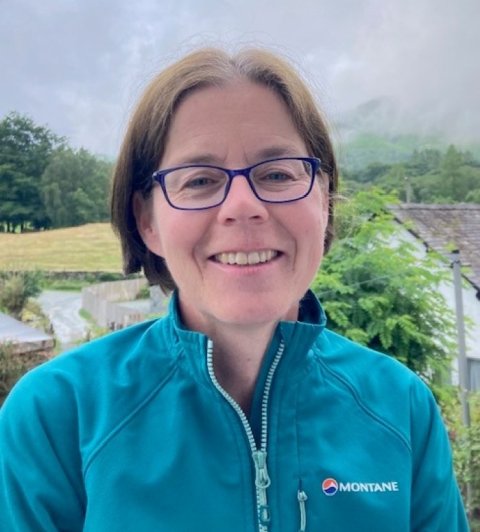
Deb Gompertz

 Dr Deb Gompertz

My professional journey has always been centred on people. I’ve been influenced not by any single individual, but by learning different lessons from patients, their relatives, colleagues, and others. Working within complex systems has shown me that navigating them effectively is a skill, and one that can make a meaningful difference to outcomes and experience for those using them and working within them. My focus is on advocating for person-centred care, supporting individuals to understand their options, and doing the best I can each day to help people move through the system with clarity and dignity. I value working with like-minded people and continue to learn through these relationships, recognising that leadership and mentorship are as much about listening and reflection as they are about guidance.

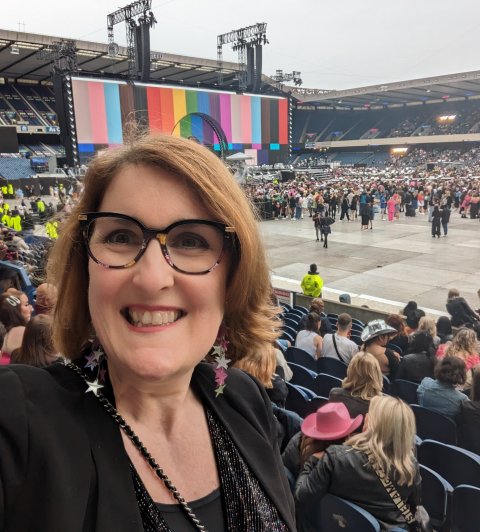
Claire Copeland

 Dr Claire Copeland

I’ve loved working with older people my whole medical career. Older people were young once, with full lives, stories and experiences behind them.

In senior leadership roles, I’m unapologetically biased towards getting services right for older people, particularly in acute care. Most healthcare is older people’s healthcare, yet we don’t always name or recognise this as the core business of the NHS, and older people can too easily be framed as the problem rather than the purpose of our health system. We should be proud that people are living longer and focus on designing services that work well for them, with dignity and respect.

In my role as Vice President for Workforce at the British Geriatrics Society, I’m committed to shining a light on the workforce we need now and in the future – and to encouraging more doctors to see older people’s care as important, rewarding and deeply human work.

On International Women’s Day, I’m proud to stand alongside women across healthcare who lead with compassion, challenge assumptions, and advocate every day for older people.

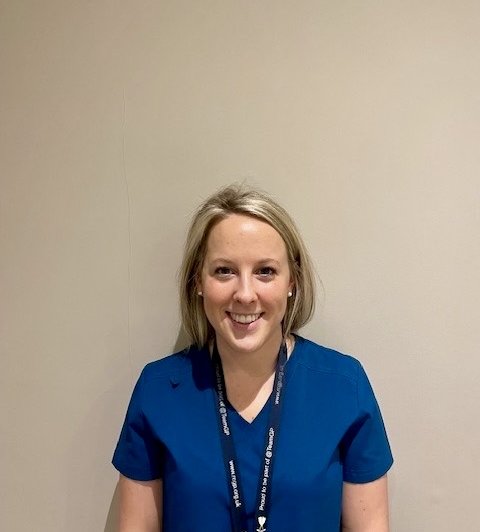
Beth Pennington

Dr Beth Pennington

My name is Beth Pennington and I’m a GP with an Extended Role in Frailty. I work across the community and within secondary care for the University Hospitals of Liverpool Group (Aintree site). I am the Co-Chair for the BGS Healthcare in the Community Group.

International Women’s Day has always felt very personally significant to me; it is both my birthday, and my mum’s birthday. As one of three sisters, I have grown up in a world of articulate, caring and forthright, ‘elbows out’ women. It feels like a day to celebrate those relationships and take stock of our achievements, both personal and vocational.

To underscore that, I’d like to highlight the work of my colleague Dr Hannah Gallagher, a Consultant Geriatrician who works in the community in South Sefton, Merseyside, and within secondary care for the University Hospitals of Liverpool (Aintree). Her magnetism is twofold; she is clinically excellent, and she’s an unparalleled team player. When you’re in the soup, it’s always she who makes the magic slipper fit, to mix my metaphors. She’s at your elbow, offering advice, offering to cover, offering solutions for patients and bearing the professional load. Hannah, thank you for infusing me with the confidence to do my role to the best of my ability. May the world be granted more Hannahs!

Anna Folwell

Dr Anna Folwell

I vividly remember meeting Dr (now Professor) Anne Hendry during my first week as an FY1 on the stroke ward at Monklands Hospital.

She embodied a rare combination of kindness and quiet authority, pausing to offer thoughtful career advice to an SHO while delivering patient care with calm efficiency. She was decisive without haste, composed without distance. In her, I began to see the kind of doctor I hoped to become. I remain deeply grateful for that early glimpse of what was possible, and for the many inspiring female geriatricians I have since learned from. Watching them balance the demands of work and home life, alongside the unspoken lessons of presence, leadership and even what to wear, has shaped how I practise, teach and lead. Their influence is woven into who many of us have become.

Ruth Law and Celia Bielawski

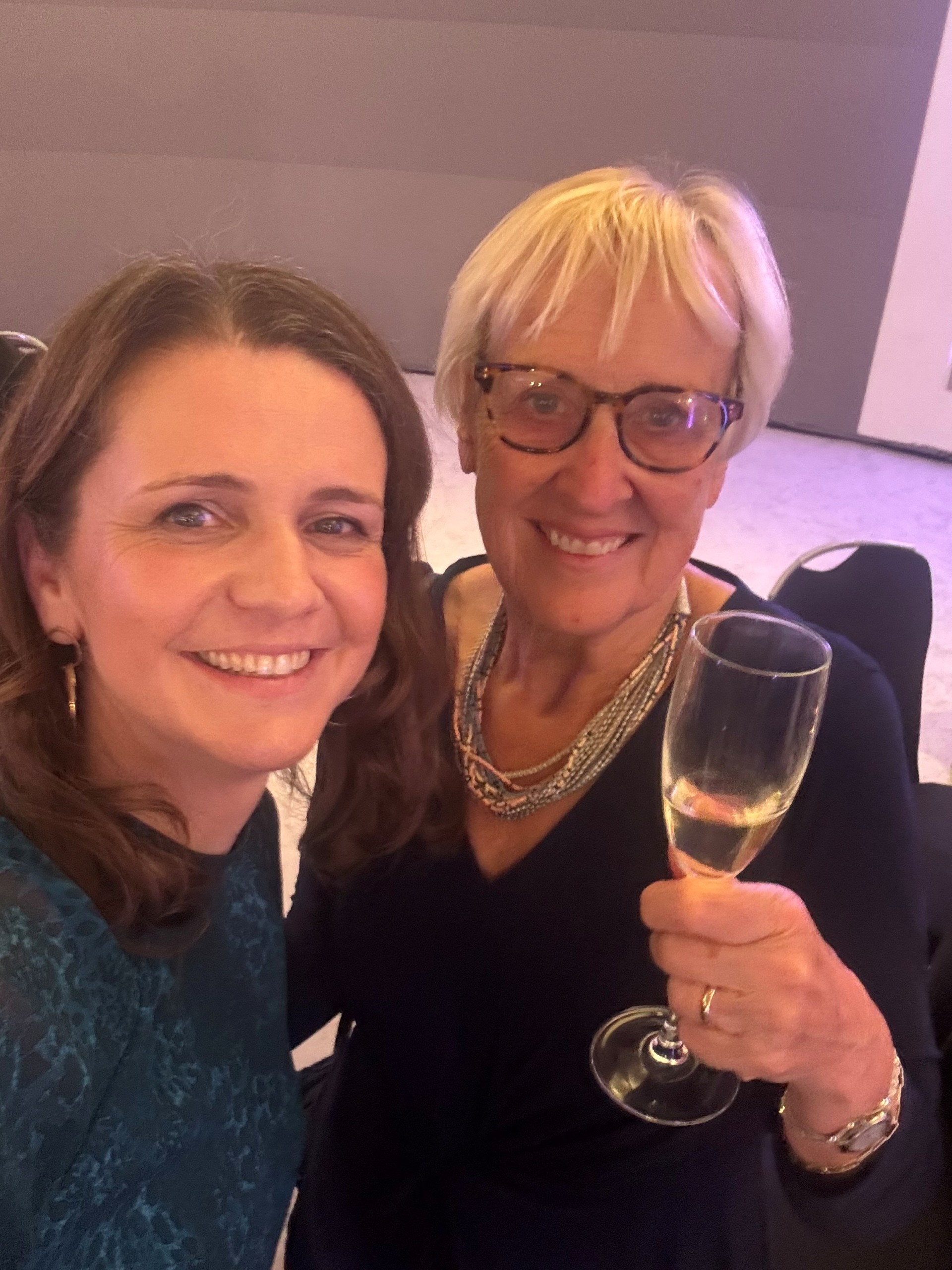
 Dr Ruth Law (L) and Dr Celia Bielawski (R)

This International Women’s Day, I would like to nominate Dr Celia Bielawski as an inspiring mentor in geriatric medicine. She is a legendary clinician who has held senior positions in leadership and education throughout her career. With her characteristic understated approach, she continually works beyond the scope of her roles to find educational opportunities that are interdisciplinary and accessible for all allied health and social care professionals.

Alongside her impressive career, she has also made a huge impact on the lives of individual trainees. ‘Without Celia’s support, I would no longer be a doctor’ is a recurring theme amongst her supervisees. Professionalism and fairness are hallmarks of her approach, and she has supported countless doctors returning to work following periods of absence or ill health, as well as sponsoring international graduates to join the NHS through the Clinical Apprenticeship Placement Scheme for refugee doctors.

She is an excellent clinician and a person of great integrity who has committed her career to equal access to medical education for people of all backgrounds and disciplines. She has always modelled the importance of building strong relationships at work, valuing the whole team and having the courage to do the right thing. She has also been a huge emotional support to me personally, and her ability to suddenly appear at moments of crisis with a coffee and listening ear is a very special skill. She has not only left the ladder down for me to climb in pursuing a career in medical leadership, but she has also dragged me up it at times I have felt discouraged or underqualified, and I am incredibly grateful for her mentorship and support.

I have been fortunate to work alongside many inspirational women in geriatrics, but a few have stood out. This year, for International Women’s Day, I would like to nominate Dr Catherine Bryant as an exceptional geriatrics mentor.

She is a remarkable clinician who has held senior leadership and educational roles throughout her career. She consistently encourages and supports trainees in pursuing their individual career aspirations. As the Trust Dementia Lead, she has been instrumental in transforming memory clinics and improving the care of patients with dementia across the hospital. She is an excellent clinician, and her clinics and ward rounds are highly educational. Patients consistently provide outstanding feedback about their experiences with her.

As Head of the London School of Medicine, she prioritises trainee supervision and is deeply committed to supporting their professional development. She demonstrates the value of fostering strong professional relationships, appreciating every member of the team, and having the courage to stand up for what is right.

On a personal level, she has been an immense source of emotional support and has always made herself available for guidance and conversation, even whilst away on holiday. While I am saddened by her retirement, I remain profoundly grateful for her mentorship and unwavering support.

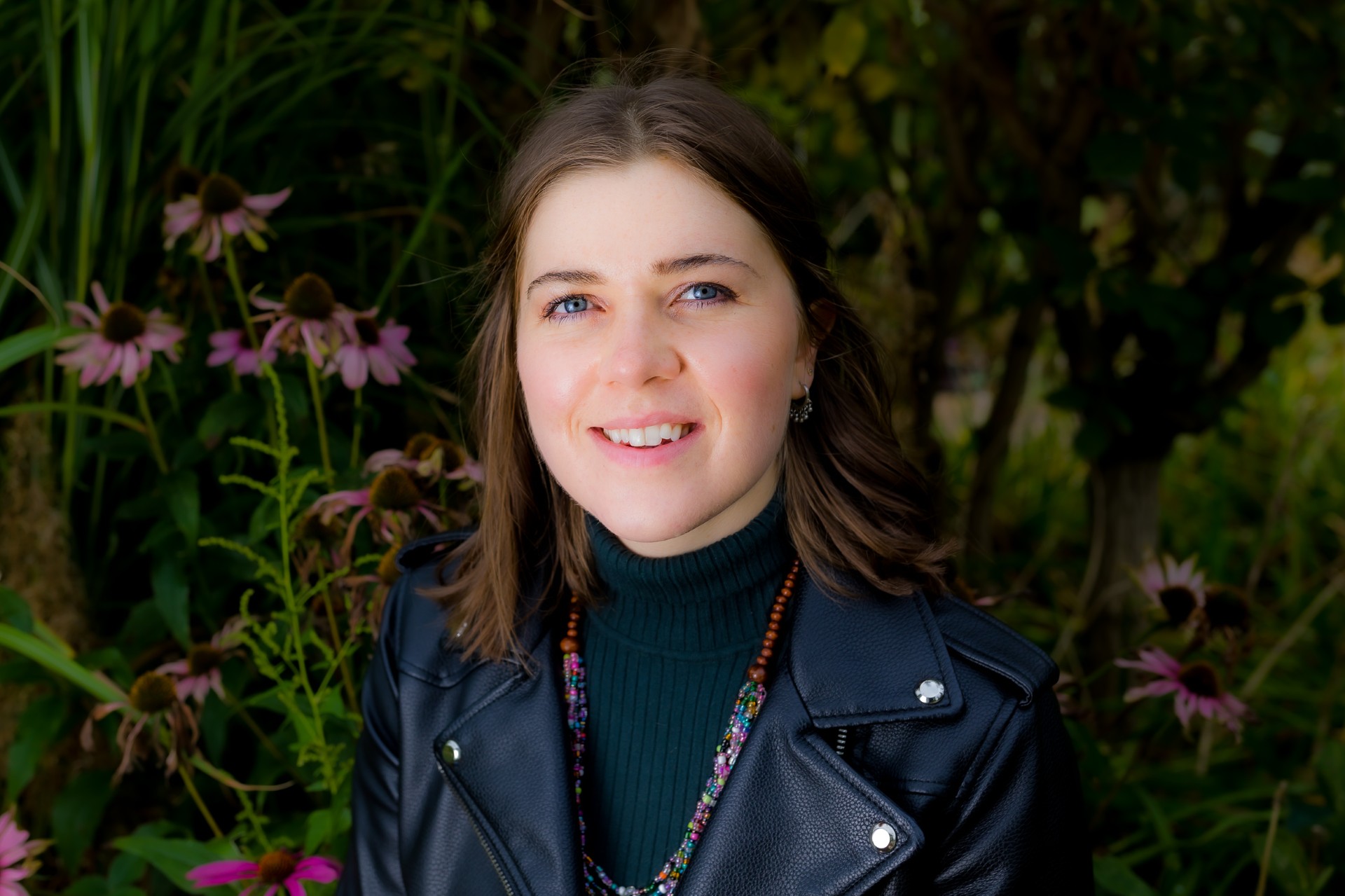
Louise Organista

Louise Organista

At the start of my career journey as a junior pharmacist covering multiple wards and providing on-call support across multiple hospital sites, I was fortunate to learn from a wonderful specialist pharmacist in older people’s care, Emma Grace, in Nottingham. I relished my ward visits with Emma, who would patiently teach me how to manage patients holistically and study the whole drug chart to identify opportunities for intervention.

In those early days, wards for older people frightened me a little, patients with delirium shouting out or trying to escape the ward environment felt overwhelming. But Emma modelled a different perspective: one of clinical excellence, compassion and a deep respect for the multidisciplinary team. Her standard of care and calm leadership inspired me to pursue a career in frailty.

Today, working closely with patients and their families is one of the most fulfilling parts of the role. What once felt daunting is now rewarding, and that transformation began with her example.

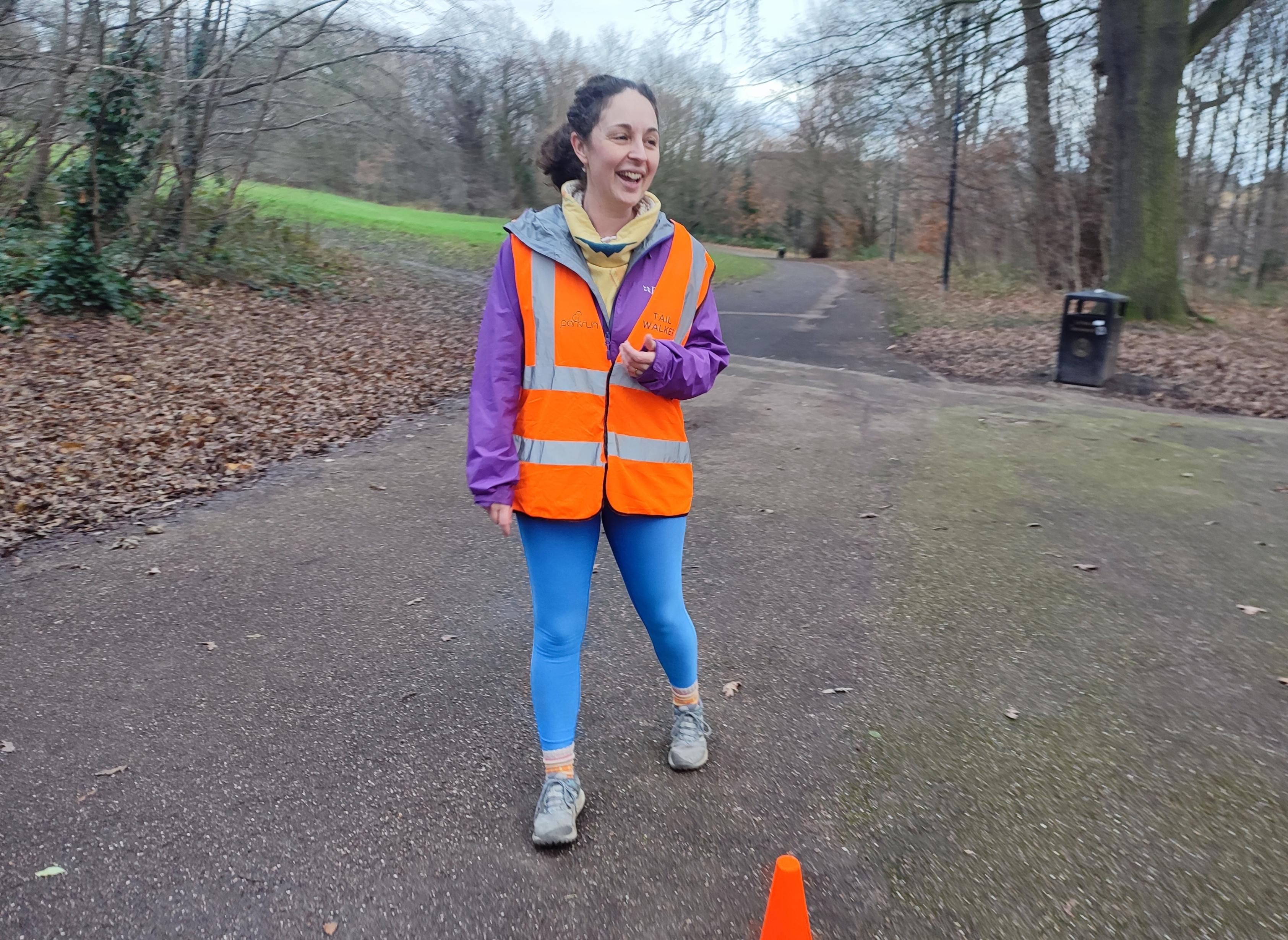
Sara Page

Dr Sara Page

I began medical school nearly 20 years ago, and throughout my training I have been inspired by the geriatricians I’ve had the privilege of working alongside. I have always admired their breadth of knowledge, clinical expertise, communication skills, and most importantly, their deeply person-centred approach and kindness.

Through my involvement with the British Geriatrics Society, I have met many passionate and compassionate leaders advocating for better care for our older population. I hope to channel that same passion into continuing to improve the care I provide to my patients.

I have a particular interest in workplace and training culture, and I am committed to fostering supportive, inclusive learning environments. In my role as Education and Training Representative on the BGS Trainees Council, I hope to contribute positively to the development of medical training and help shape a culture in which trainees and patients alike can thrive.

Alison Falconer with colleagues

Dr Alison Falconer (centre left) with colleagues

There are many amazing women who have inspired me throughout my career. The ones that stand out are Dr Jennifer Burns and Professor Anne Hendry, who need no introduction to this audience. However, there are so many others, including Dr Liz McDonald and Dr Kath Anderson, who I worked with in the Royal Victoria Hospital, and even to this day, if there is a challenging issue at work, I think, what would Liz or Kath do?

In my current role as a consultant geriatrician working across many teams, I work with many exceptional women in a variety of roles – specialist nurses, physiotherapists, occupational therapists, ward nurses, admin staff and other doctors. It always strikes me that they all come to work to do a great job, even if life outside their work is tough too. These can include caring responsibilities, running a home, grieving recent losses or managing their own health issues.

However, it has to be said that they can only do this if they have good support mechanisms including their family and loved ones, which may include a husband, son, father or brother. Therefore we cannot forget how important the men are in our lives. They often support us to be the strong, successful women we are.

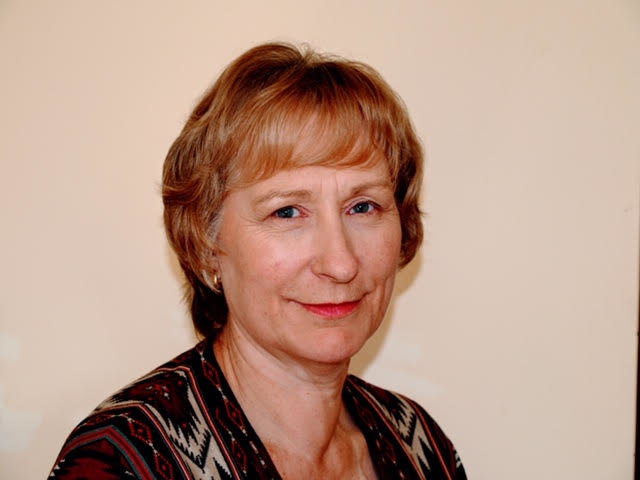
Liz Lawn

Dr Liz Lawn

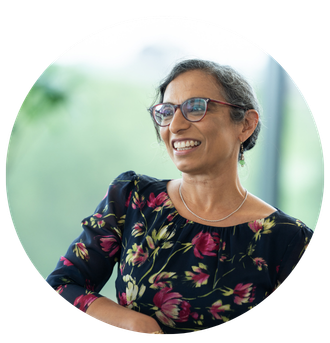
It is a privilege to reflect on my journey for the British Geriatrics Society on International Women’s Day.
I qualified as a GP in 1984, full of enthusiasm for clinical practice and patient care. In the late 1990s, alongside my work in general practice, I became a clinical assistant in a dementia day hospital. It was there that my perspective changed. I began to see clearly that dementia is not shaped by healthcare alone. Quality of life for people living with dementia is profoundly influenced by social care, housing, community support, voluntary and faith organisations, and support for carers.

That experience sparked a deep and enduring interest in integrated care for older people living with dementia and frailty. I realised that if I wanted to make a broader difference, I needed to look beyond individual consultations and engage with the systems shaping care. That insight led me into clinical commissioning.

From 1999 to 2016, I took on a range of commissioning leadership roles alongside my general practice work, becoming a CCG Clinical Chair in 2013. Throughout those years, I focused on dementia, frailty, community development and carers’ support. As Clinical Chair, I helped to develop a commissioning model for frailty services, including a proactive, community-based model of care designed to support older people before crisis struck.

When I retired from my CCG and my practice in 2016, I was not quite ready to step away from the work. Instead, I became Clinical Director for the newly created proactive frailty hubs in North West Surrey. Establishing and developing three frailty hubs from the ground up was one of the most challenging and rewarding chapters of my career. When I retired fully in 2023, those hubs were stable, respected services delivering proactive care in the community. They have since evolved further, now providing a virtual ward service for older people in partnership with acute hospital geriatricians - a testament to what sustained collaboration and shared vision can achieve.

Looking back, my career was not a straight line. It evolved through curiosity, persistence and a willingness to step into unfamiliar roles when the opportunity arose.

If I were to offer advice to the next generation, it would be this:

Identify your areas of interest and your long-term goals.

Keep your destination in mind but remain flexible about the route. National and organisational priorities shift. There will be times when progress feels slow, and other times when priorities align and momentum builds quickly. Be ready for those moments. Keep ideas “up your sleeve” so that when opportunity knocks, you can move with confidence.

Invest in relationships.

Time spent networking with like-minded colleagues is never wasted. Some of my most valuable learning came from working closely with managers and understanding their perspective. Clinical leaders often have little formal authority, but they can be highly influential. Develop your influencing skills - they are as important as clinical expertise.

Be patient and persistent.

Everything takes longer than you think. Change in complex systems requires resilience.

If you are fortunate enough to set up a new service, start small. It can be tempting to pursue every ambition at once, but taking on too much too soon overwhelms teams and undermines confidence. Manage expectations carefully - new services take months to find their rhythm. Early pressure for rapid delivery can be counterproductive, creating stress for staff and disappointment for referrers.

Instead, nurture your team. Address concerns openly. Invest in training and development from the beginning. While waiting for referrals to build, focus on cultivating external relationships and promoting the service. A strong foundation makes sustainable growth far easier. Once a team feels confident and valued, expansion becomes a natural next step rather than a strain.

Clinical leadership is demanding. It requires courage, diplomacy, stamina and belief in your purpose. But it is also deeply rewarding. If you are fortunate, you will one day look back and see services that did not exist before, systems that work better because you persisted, and older people receiving care that is more compassionate, proactive and joined up.

For me, that has been the greatest privilege of all.