The Diploma in Geriatric Medicine (DGM), awarded by the Royal College of Physicians (RCP), is an examination developed collaboratively by the RCP and the British Geriatrics Society. It is designed for individuals who have already successfully completed the Certificate in Geriatric Medicine (CGM) and want to build on this by credentialling their clinical expertise in the healthcare of older people with a recognised diploma.
What is the DGM?
The DGM is an award that demonstrates the in-depth clinical skills required in the field of geriatric medicine and evidences the ability to provide expert care for older people with multiple, complex conditions. Candidates sit a clinical exam, currently taken in person at the RCP’s Examination Assessment Centre in Liverpool.
Is the DGM right for me?
If you're a member of the multidisciplinary team involved in the provision of care of older people, and have already proven your knowledge and understanding of managing frailty and multimorbidity in older age by completing the CGM, the DGM offers the opportunity to further evidence your skills in an observed clinical setting. You have 4 years from the date you passed the CGM to then also pass the DGM. Check out the full candidate eligibility criteria and other information on the RCP website.
Candidates that passed the old DGM Part 1 knowledge-based assessment before November 2026 (which has since been developed into the Certificate in Geriatric Medicine) are also eligible to take the new DGM exam. Like CGM candidates, they have 4 years from the date their results were published to then pass the clinical DGM exam.
DGM was one of the best exams I did post qualification. As a GP it led to becoming a GPwSI in frailty and working in a one-stop elderly clinic at local district general hospital, which was so rewarding." - GP, past candidate
What preparation do I need to do?
In preparing for the exam, you need to allocate time for self-guided study. Material on the RCP website includes information about the exam syllabus and the four stations of the clinical exam. BGS and RCP do not provide or endorse any course, but we encourage you to prepare well, and take advantage of our conferences and online resources.
[As a GP], the bits [of the DGM] I use most and advise on most are Frailty, MCA, DOLS, Parkinsons, Dementia, Falls, Nutrition, Equipment, Continence, UTI, Bone protection and Depression in older people." - GP, past candidate
What will I gain from the DGM?
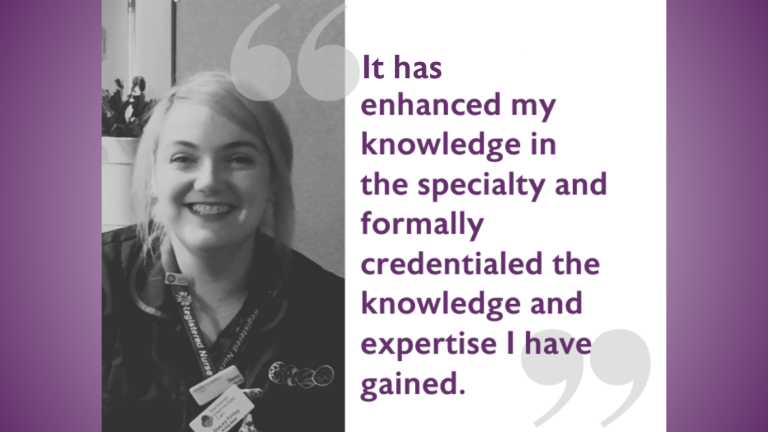
The DGM has been created specifically for healthcare professionals who are not specialist geriatricians to help demonstrate their knowledge and expertise in the care of older people and in particular the management of frailty. It offers external recognition as part of your continuing professional development.
I found the station on comprehensive geriatric assessment to lend itself well to being a GP and practising holistic medicine." - GP, 2019
What is involved?
Unlike the CGM, which is a desk-based exam, the DGM is an observed structured clinical examination (OSCE) consisting of four stations. Each exam will feature scenarios that span a range of settings and may include a mixture of urgent and planned/anticipatory care. Candidates rotate between each station, where they are observed by two examiners. The clinical examination will last 80 minutes in total (15 minutes at each station plus 5 minutes transfer/reading time between each one).
The four stations are:
- Integrated Clinical Assessment 1 & Integrated Clinical Assessment 2
Each of the two integrated clinical assessment stations aim to assess the way in which you approach a clinical scenario in the care of older people in a cohesive and inclusive manner, involving history-taking, examination, and communication with a patient.
- Comprehensive Geriatric Assessment (CGA)
A CGA is a valuable tool and a core skill in the assessment of the frail older person. Within this station you will be tested on your ability to conduct and utilise a CGA (initial details of which are provided as part of the candidate instructions), as well as management of a patient with one or more common clinical syndromes such as confusion, continence problems, deteriorating mobility, falls, frailty, palliative care or sensory impairment.
- Ethical and legal principles in practice
This station assesses your ability to undertake a complex conversation with a patient or a patient’s representative, drawing upon relevant ethical principles and legal frameworks to provide clinical guidance and support in a sensitive and professional manner. Legal frameworks are based upon those utilised across the four nations of the United Kingdom. You will interact with the patient or the patient’s representative for 10 minutes, followed by 5 minutes of discussion with examiners
To help you understand how the DGM clinical exam is marked, sample marksheets are available to download at the bottom of this page.
When are the exams held?
The OSCEs are held at the RCP Spine building in Liverpool, UK. Details for examinations for the 2026 and 2027 exams are shown below. For full details of dates and fees, please visit the RCP website.
2026
November 2026
- Examination fee: £642
- Application period: Tuesday 1 September 2026 – Monday 14 September 2026
- Examination date(s): 9 November – 11 November (additional dates in the same week may be added depending on number of applications)*
- Results release date: Wednesday 16 December 2026 – by 5:00pm to candidate email addresses.
2027
June 2027
- Application period: Tuesday 30 March 2027 – Monday 12 April 2027
- Examination date(s): Tuesday 1 June 2027 – Friday 4 June 2027 (additional dates in the same week may be added depending on number of applications)*
- Results release date: Wednesday 7 July 2027 – by 5:00pm to candidate email addresses.
November 2027
- Application period: Tuesday 31 August 2027 – Monday 13 September 2027
- Examination date(s): Tuesday 2 November 2027 – Friday 5 November 2027 (additional dates in the same week may be added depending on number of applications)*
- Results release date: Wednesday 8 December 2027 – by 5:00pm to candidate email addresses.
What else do I need to know?
More information, including links on how to apply, can be found on the RCP website.