Dr Chris Miller is a Consultant Geriatrician and Associate Medical Director for Frailty at University Hospitals of Leicester NHS Trust. He posts on X: @confuseddoc. Dr Emily Laithwaite is a Consultant Geriatrician and Head of Service at University Hospitals of Leicester NHS Trust. They are passionate about transforming care for older people through proactive, integrated, and patient-centred service models.
Those of us working in geriatric medicine understand that urgent care can be a stressful, noisy and sometimes harmful place for our most vulnerable patients. The NHS is under pressure — but this pressure is not evenly distributed. Our front doors are often the point at which a complex system’s fractures become painfully visible. Nowhere is this more evident than in the care of older adults.
In Leicester, we face a stark demographic reality: the population living with frailty is projected to grow three times faster than the general population over the next decade. Meanwhile demand on our Emergency Department (ED) is also growing rapidly, with over 20,000 attendances a month, a 6% increase on last year. Older adults are arriving in greater numbers, staying in ED longer, and often being admitted because there simply aren’t viable community alternatives available in real time.
So, in January 2025, we tried something different.
We launched a Frailty Same Day Emergency Care (SDEC) unit aimed at delivering rapid, specialist, multidisciplinary care to older people living with frailty who would otherwise face lengthy waits. The aim was simple: to appropriately assess, treat, and discharge on the same day, avoiding the harms of prolonged ED stays and unnecessary admissions.
What We Achieved
Between January and March 2025, 471 patients were referred to Frailty SDEC. 356 were discharged, 72% of these within 24 hours. Alongside our Frailty Emergency Squad (FES), our frailty ED in-reach multidisciplinary team, we supported a total of 835 discharges over the same timeframe.
Why It Worked
We borrowed best practice from interventions such as The Jean Bishop Integrated Care Centre in Hull, a nationally recognised model that has transformed outcomes for older people through proactive, community-based, multidisciplinary care.
We also adopted The King's Fund #DoWith model, which emphasises co-production, relationship-building and doing with people rather than to or for them. We didn’t build a service for frailty; we built it with frailty in mind.
Key enablers of success included:
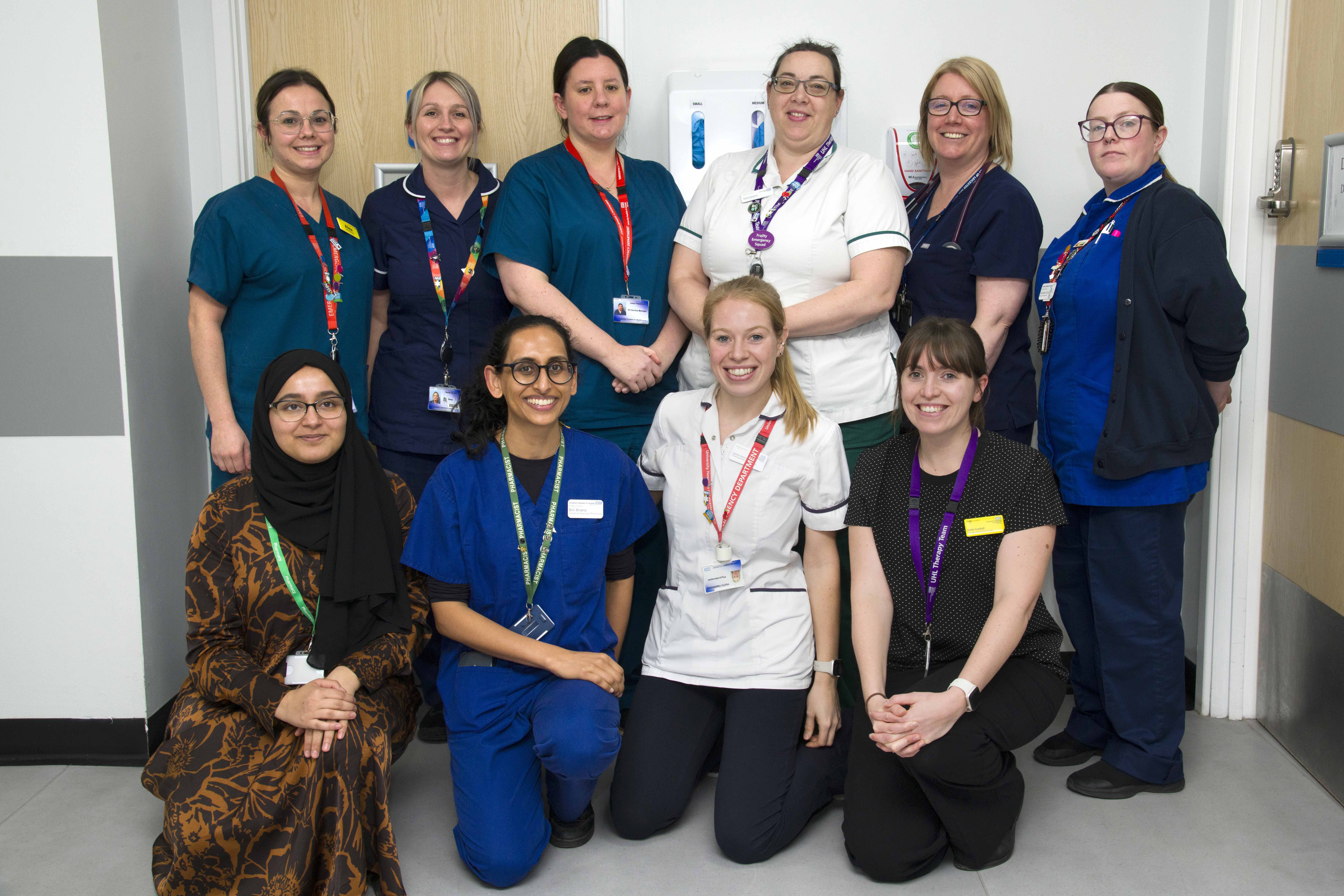
- Truly multidisciplinary teams — geriatricians, ACPs, nurses, therapists, pharmacists, and care coordinators working side-by-side across traditional boundaries.
- Broad referral routes — not just ED, but GPs, ambulance services, and community teams. That flexibility helped us avoid emergency attendances entirely.
- Embedded collaboration — Our FES team continued to support patients in ED, while Frailty SDEC provided a new alternative at the front door. Alongside colleagues in our Community Trust, adult social care and our integrated care board (ICB), we have started to demonstrate what integrated care can deliver.
Bigger than Bed Days
This isn’t just about system pressures or productivity gains (though we achieved both). It’s about better outcomes, faster care, and patient experiences that align with the NHS Long Term Plan’s Ageing Well agenda.
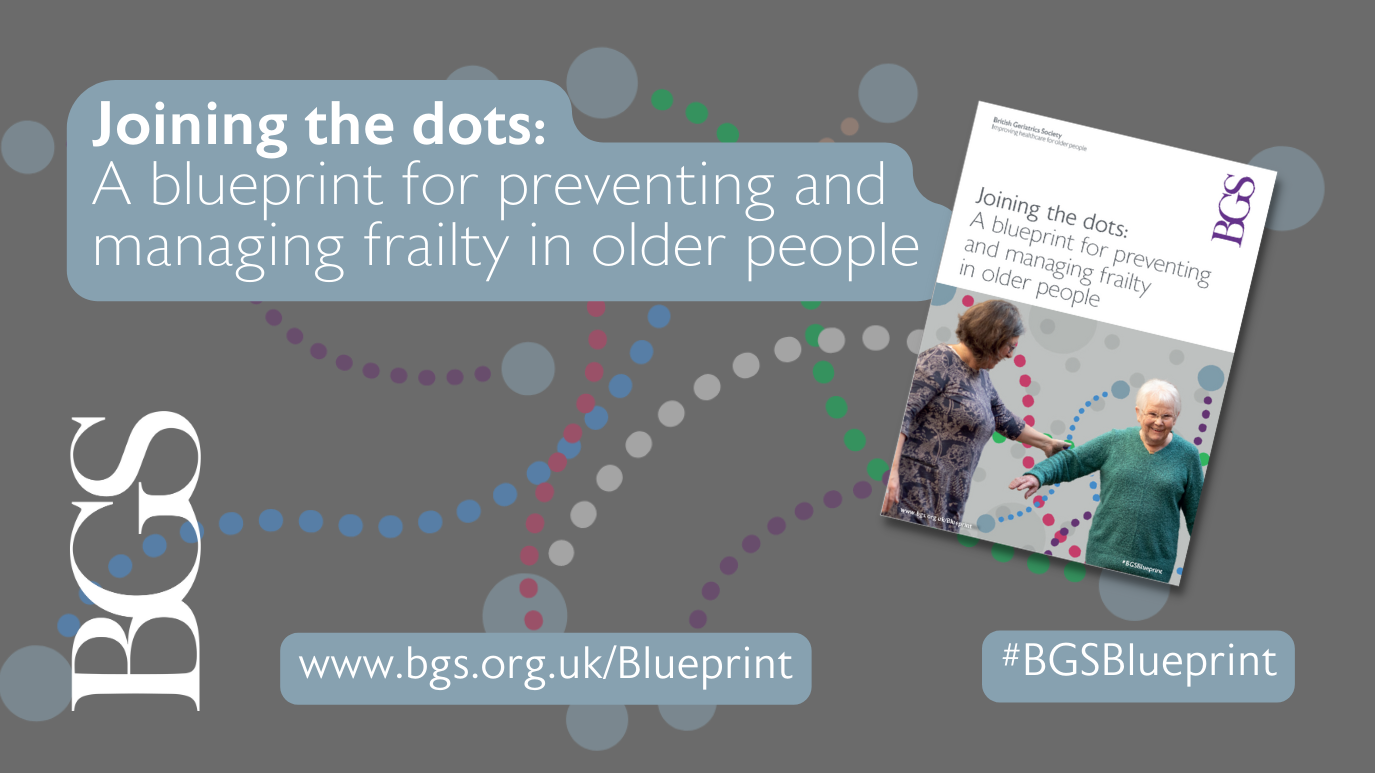
We’ve shown that when we act early, with the right team and the right setting, we can avoid crisis care altogether — the very ethos of the British Geriatrics Society’s ‘Joining the Dots’ blueprint. This calls for proactive, integrated care pathways and shared responsibility for frailty across sectors. We have found that Frailty SDEC may be one way to start joining those dots.
The Challenges We’re Still Tackling
It hasn’t been easy. Like almost all other NHS organisations, finances and workforce have been tricky to find. In addition, space constraints, IT limitations, equipment gaps, and delayed social care packages have all challenged us. Working creatively, borrowing equipment, moving resources and people across services to better support FSDEC, whilst simultaneously keeping channels of communication open with colleagues across the system have all helped to manage (but not necessarily to solve) these challenges.
Perhaps the most striking limitation is one that speaks to a broader truth in our system: the patients who need us most are often the hardest to manage. Maintaining the safety of some patients in an SDEC setting not designed for those with wandering behaviours, sensory needs or confusion remains a challenge. If we’re serious about inclusive frailty care, we must keep innovating.
A Better Way is Possible
Despite the hurdles, we’re proud. Frailty SDEC isn’t a perfect fix, but it demonstrates that a standard ED model may not adequately or appropriately meet the needs of an older person. When we design care specifically with frailty in mind, and staff it with the right people, we get better results which, in turn, is better for our patients.
This isn’t just about Leicester. The model is reproducible, scalable, and rooted in person-centred values.
As geriatricians, we are natural system-thinkers. We see the connections between medical needs, social context, and function. In Leicester, Frailty SDEC has given us a model that reflects that complexity with outcomes that speak for themselves.