Dr Amit Arora is the President Elect of the BGS and a Clinical Director for ECIST (NHS England). He is a consultant geriatrician based in the North Midlands and is also the founding director of the National Frailty Academy.
Winter will come again, as it does every year.
While winter’s return is predictable, there are aspects of it that are less so. It brings its own challenges for the NHS as a whole and more specifically for the staff and for older people and their families. Most of us would have seen the queues in emergency departments, ward closures due to various outbreaks, staff having to take sick days, and much more. We also know from the national data that whereas everyone is impacted by waiting times across the NHS, older people are often disproportionately affected.
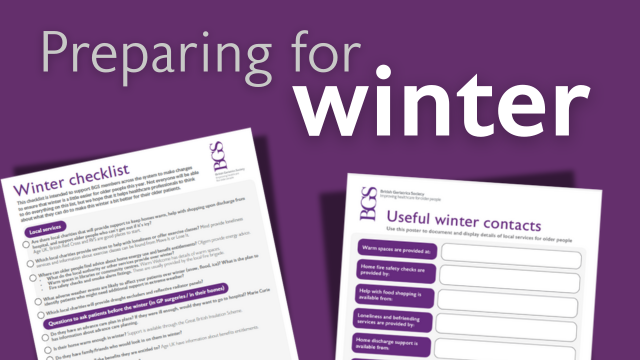
Some of this unpredictability can be mitigated by taking clinical and operational steps, in advance, in good time, with planning and preparation, both locally and nationally.
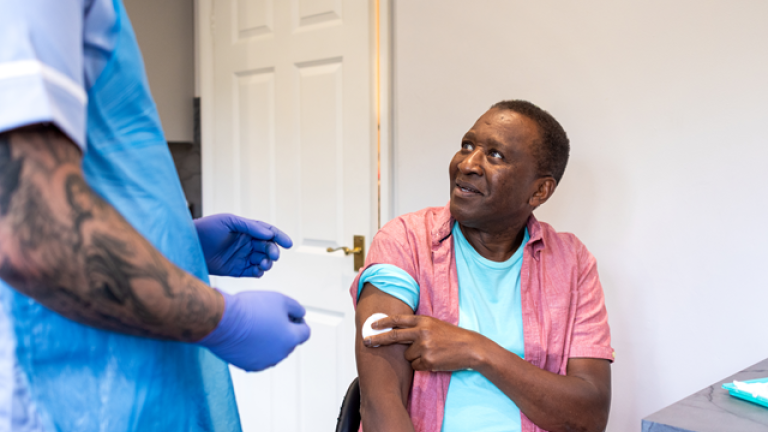
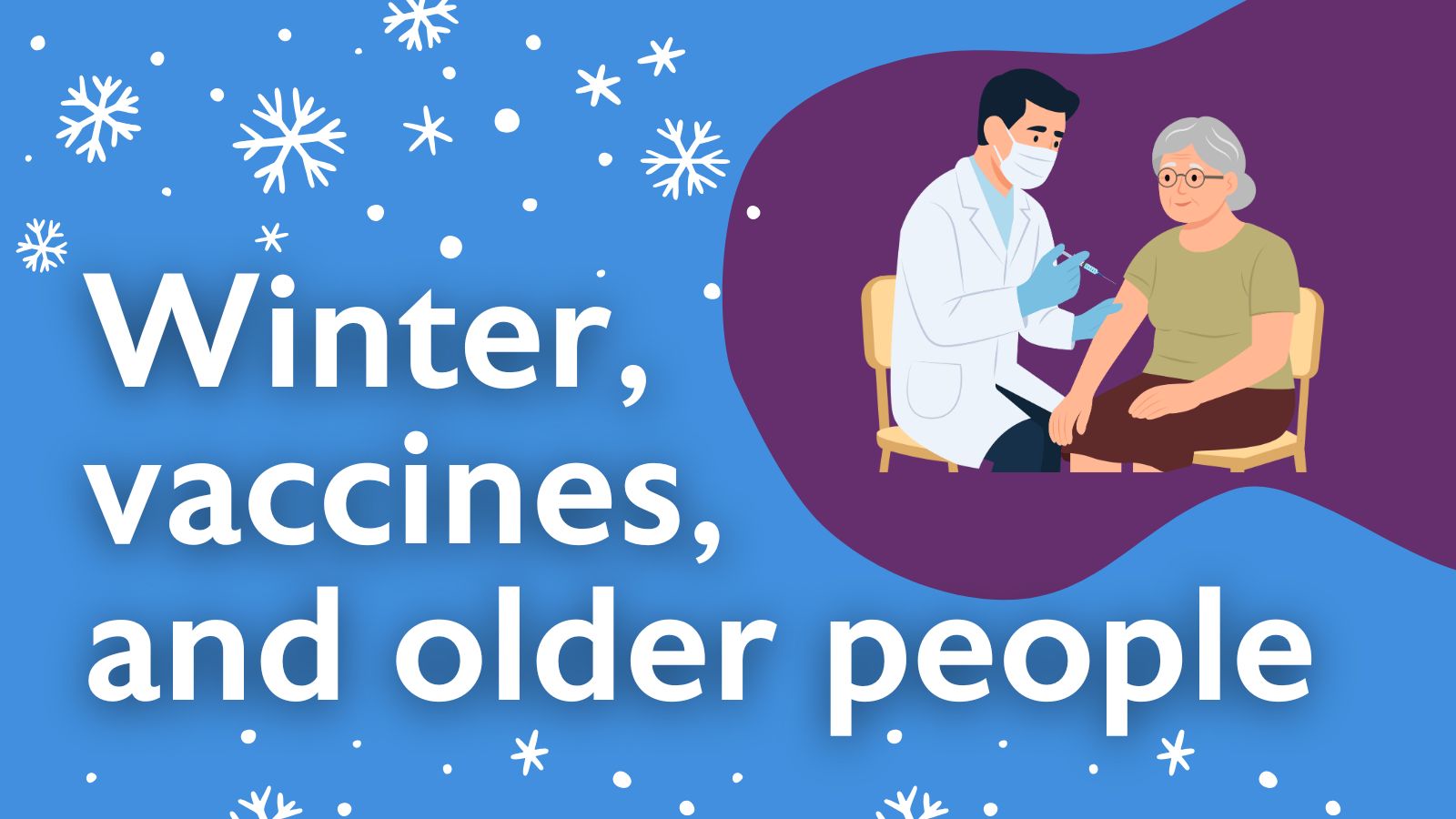
One of these steps that can reduce the impact of winter viruses is vaccination. This year’s winder vaccination programmes will soon be launched across the NHS. It remains a central component of the UK’s public health strategy to protect older adults against seasonal respiratory infections. Influenza (flu), COVID-19, and respiratory syncytial virus (RSV) continue to present significant risks to this age group, contributing to hospital admissions and preventable mortality. The influenza and pneumococcal vaccines have been given in the UK for many years. More recently the COVID-19, RSV and Shingles vaccines have also been offered. More details on who is eligible and the benefits of these vaccines are available on the BGS website.
There is good evidence at population level that vaccinations reduce hospitalisations, severity of illnesses and intensive care admissions. In addition, vaccination of younger people also helps reduce spread across generations. It is therefore important to vaccinate both younger and older people. There are also the programmes for staff vaccinations across the NHS which are equally important to protect vulnerable staff and their families.
Whilst vaccinations are important, we must not ignore the infection control situation in acute, community or mental health hospitals, care homes, and other settings. Masks remain an important strategy in infection control. Equally important is the timely identification of vulnerable, susceptible patients, who need to have a readily accessible contact if they start to become unwell, as well as rescue medications as appropriate.
As healthcare professionals, we have been educated to be aware of the benefits of vaccinations. It is important that we spread the word about them and about infection prevention. But there have been more recent developments too.
Have I really got news for you?
A recent study published in Nature1 suggests that large scale analysis of electronic health data notes that the new recombinant shingles vaccine, Shingrix, is associated with a reduced risk of dementia diagnoses by 17% over six years, compared to the older Zostavax vaccine. This equates to 164 extra days lived without dementia over a six-year period. While the results are promising, the exact mechanism is still under investigation. Potential explanations are that the vaccine (or the adjuvant) reduces inflammatory events or offers a more potent immune response by targeting factors that contribute to dementia. Further research and large scale Randomised Controlled Trials are needed to substantiate these connections.
Similarly, there is some evidence that the influenza vaccine reduces heart failure associated mortality by 30% and may have some protective effects against dementia. The pneumococcal vaccine may also have some evidence around reduction (30%) of heart attacks. Whether this is due to the vaccine or the adjuvant, and whether it is due to a reduction in inflammation or an enhanced immune response remains to be seen. More research and data are needed in these areas, and we will watch such developments with interest.