- Is research for me?
In this article, BGS members Alasdair MacLullich, Miles Witham and Tania Kalsi discuss what to consider when thinking about doing research, what you will gain and why research in the field of geriatric medicine is important.

Why get involved with research?
Research into ageing and older people's health comes in many different forms, as do research interests, methods, and the backgrounds of researchers themselves.
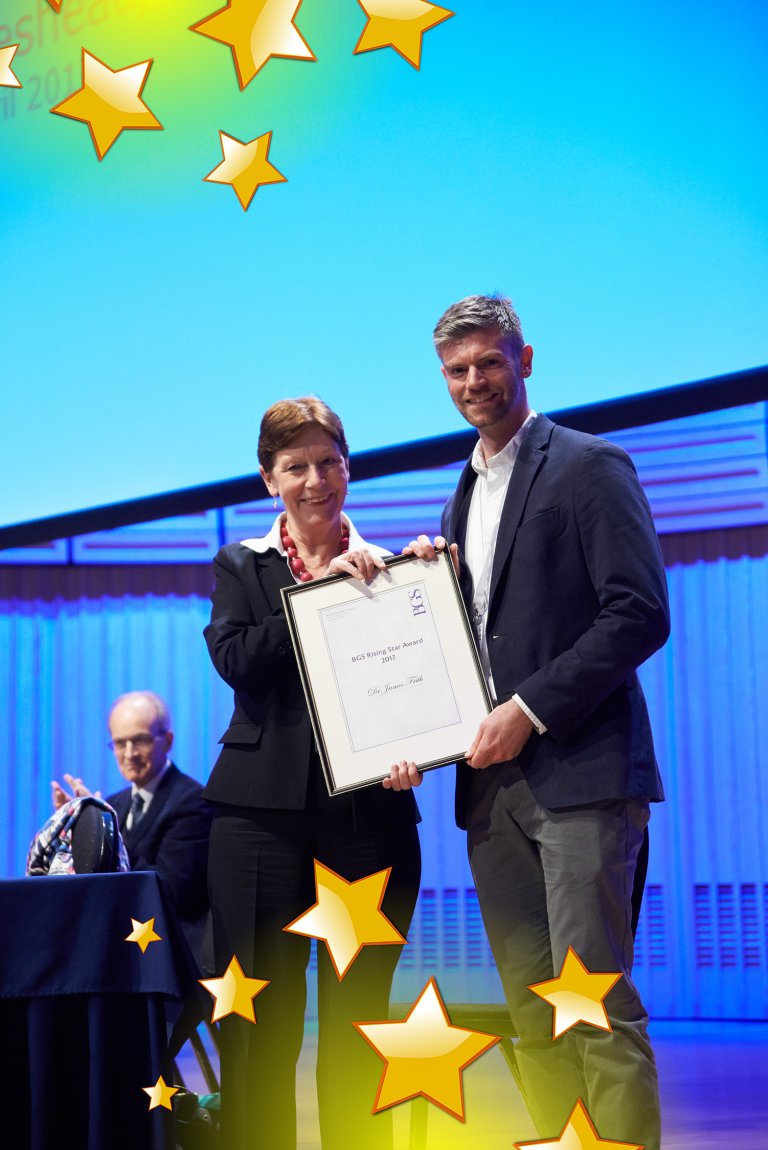
Hear from some of our members about what excites them about research in this short introductory video. The full videos can be found further down this page.
How to get involved in research
Knowing where to start out on your research journey can be a daunting first step. There are lots of different routes that you can take, and some of these are explored below.
-
Doing research part time alongside clinical work
If you’re interested in doing research, but are reluctant to commit to a lengthy period out of clinical training in order to do research full time, doing research part time alongside your clinical job is one option.
-
UK Research centres
There are several centres of excellence in ageing research around the UK. Some of these specialise in particular sub-specialisms of geriatric medicine. This interactive map identifies these centres and their research focus.
-
How to get funding and fellowship applications
So you’ve decided that you want to become involved in research – well done, this is the beginning of an exciting and rewarding journey! After the initial steps of finding a research area, supervisor and designing a research project you will need to think about funding.